
“Why Isn’t My Hair Growing?” It May Actually Be Breaking
Share
A Haircare Cyprus guide to recognising overprocessed hair, preventing further breakage and setting realistic expectations for healthy length.
Today, a client came into the salon asking for help. She had recently noticed that her hair was around six inches shorter than before. In fact, she had not realised how much length she had lost until friends began asking whether she had cut her hair.
She had not had a haircut. Her hair had broken off.
This client had received highlights three times during the year. Repeated lightening does not automatically cause severe damage when it is carefully planned and correctly applied. However, if bleach overlaps hair that has already been lightened, the same sections are processed again. This can weaken the hair fibre until it begins snapping through the mid-lengths and ends.
Her first question was understandable: “What can I do to make it grow?”
But before we talk about growing longer hair, we need to understand the difference between hair growth and length retention.
Quick answer: Why is my hair getting shorter even though it is growing?
Your roots may be producing new growth normally, but weakened mid-lengths and ends can break at the same—or a faster—rate. This prevents you from retaining length and can make the hair appear to stop growing or become shorter.
Your hair grows from the root—not the ends
Hair grows from follicles in the scalp. On average, scalp hair grows approximately one centimetre per month, although the rate varies with genetics, age, health and other individual factors.
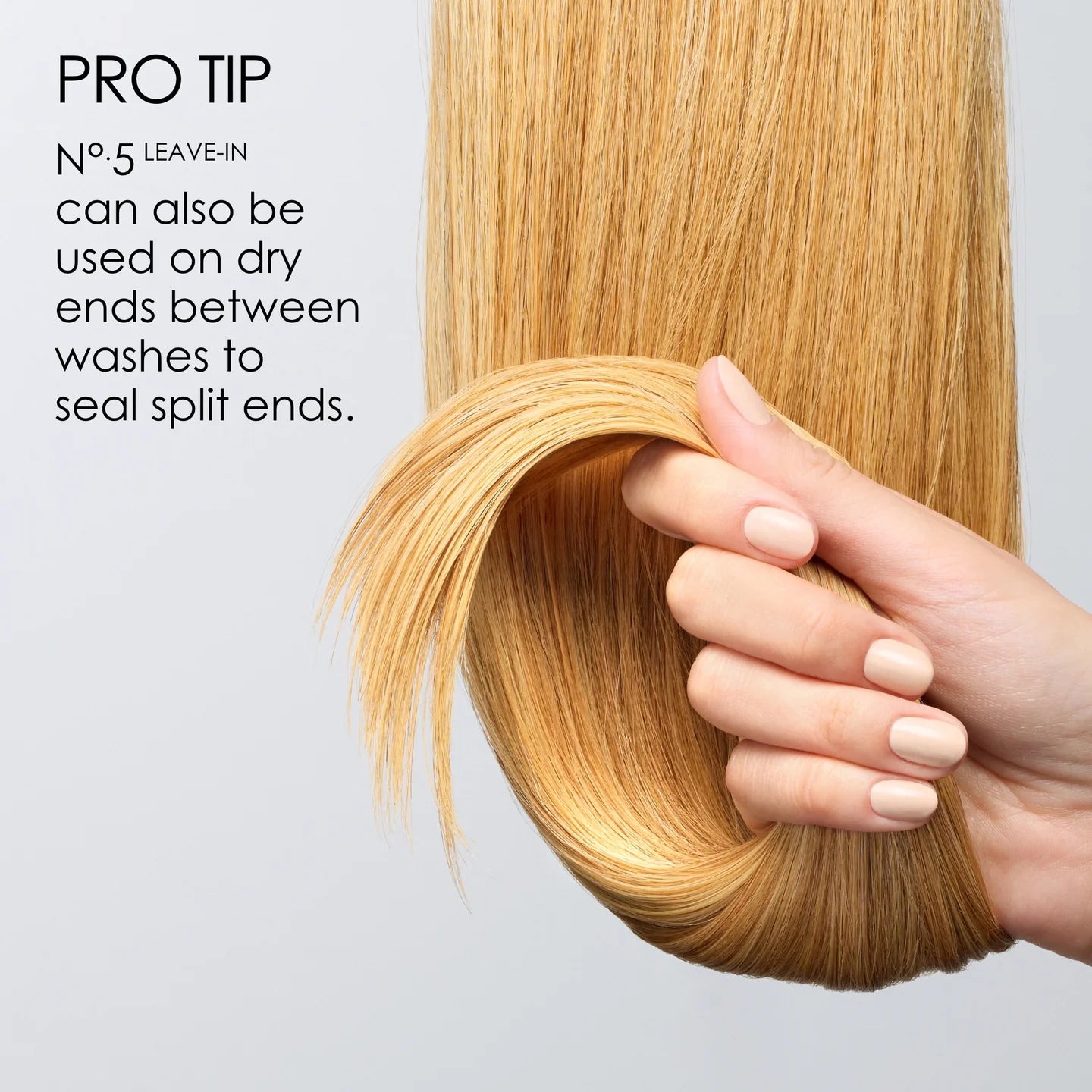
The ends cannot be made to grow. They are the oldest and often the most fragile part of the hair. Products may condition, lubricate and temporarily strengthen the feel of damaged hair, but they cannot biologically restore a broken strand or reattach an end that has snapped away.
This means that if your roots are growing but your ends are breaking at a similar—or faster—rate, your hair may appear to “stop growing.” The growth is happening; you simply are not retaining the new length.
If you suddenly lose several inches without cutting your hair, that is not a slow-growth problem. It is a breakage problem.
For a broader guide to common causes, warning signs and product options, read why hair breaks even when the roots are growing.
Why repeated highlights can lead to lost length
Lightener works by changing the hair’s internal structure so that pigment can be removed. Every lightening service places some stress on the fibre. Previously highlighted hair is already more vulnerable, so repeatedly applying lightener over the same lengths can push it beyond what it can tolerate.
This is why careful sectioning, accurate product placement, strand testing, realistic colour goals and a complete colour history are so important. More highlights are not always better, and achieving the lightest result as quickly as possible is not worth sacrificing the hair’s condition.
Once overprocessed hair reaches its breaking point, the loss can be gradual and almost invisible. A few small pieces snap while brushing. More are lost during washing, swimming, styling or simply running your hands through the hair. Day after day, this can add up to a dramatic loss of length.
Signs that highlighted hair is stressed or overprocessed
Pay attention if your hair:
- feels unusually dry, rough or straw-like;
- tangles much more easily than before;
- stretches excessively or feels gummy when wet;
- snaps during gentle brushing or detangling;
- has many short, broken pieces through the mid-lengths;
- looks thinner or more transparent towards the ends;
- no longer holds its usual shape or style;
- has suddenly become shorter without a haircut.
These signs mean the hair needs less chemical and mechanical stress—not another aggressive service to make it look brighter.
The first priority: stop further breakage
Once six inches have broken away, no treatment can put those six inches back. The only way to regain them is to protect future growth while it comes through from the roots.
Think of this stage as hair rehabilitation. The immediate aim is not a dramatic new colour. It is to preserve every possible centimetre.
Pause or modify chemical services
Speak honestly with an experienced colourist before having more highlights, bleach, permanent colour, straightening or other chemical treatments. Depending on the condition of the hair, the safest plan may be to pause lightening, reduce the frequency, change the placement or work only on suitable regrowth without overlapping fragile lengths.
A strand test can help assess what the hair can tolerate, but severely compromised hair may still need time away from chemical processing.
Handle the hair as if it were delicate fabric
Overprocessed hair can break from friction and repeated handling. Avoid aggressive brushing, tight pulling, rough towel-drying and constantly running your fingers through the lengths.
Detangle gently, beginning at the ends and gradually working upwards. Use a suitable detangling brush or wide-tooth comb and support the section with your hand so that you do not pull against the roots or weak points.
Reduce heat and tension
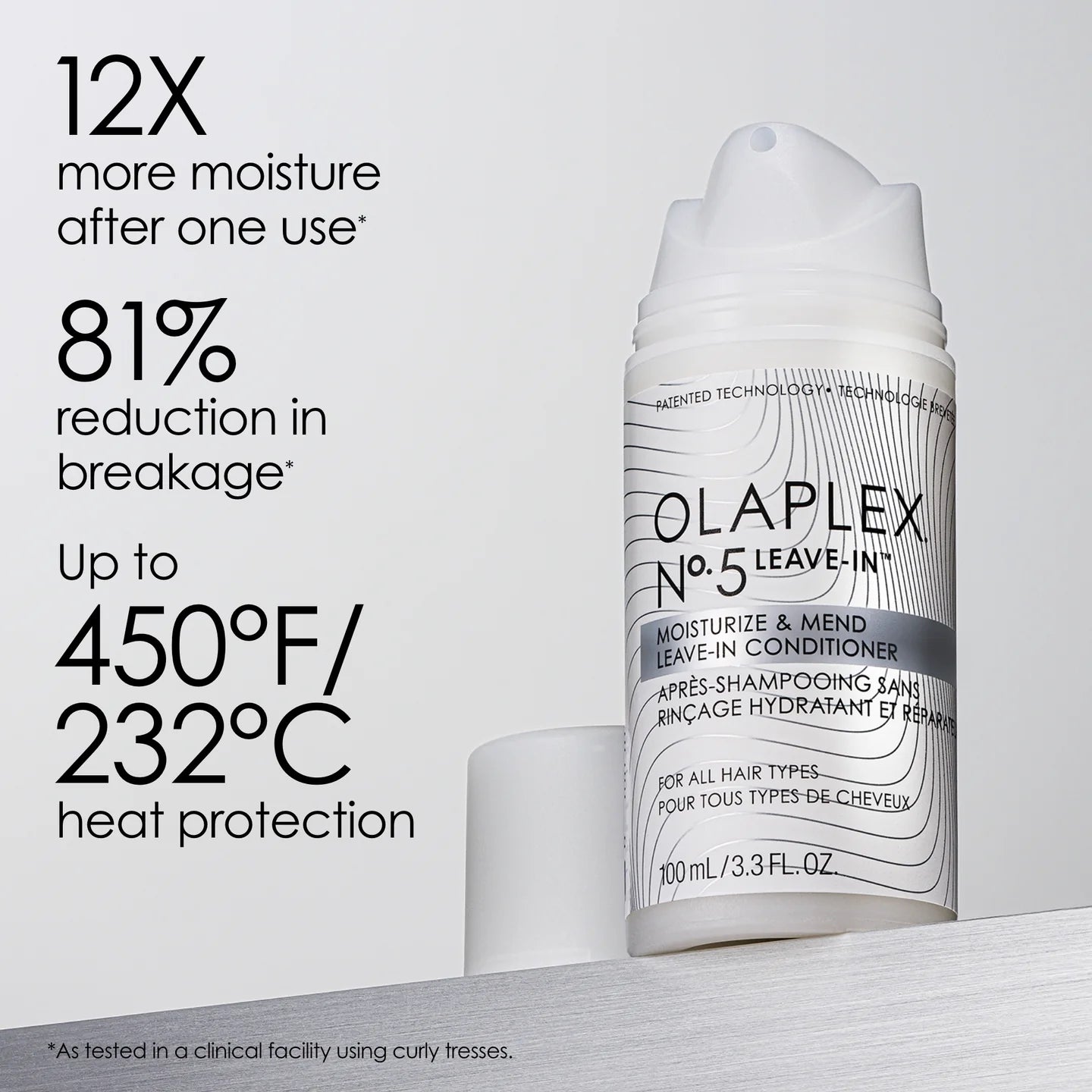
Limit straighteners, curling irons and high-temperature blow-drying. When heat is necessary, use an appropriate heat-protection product and the lowest effective temperature.
Choose loose, protective styles and soft hair ties. A relaxed bun or braid can reduce handling, but it must not be tight. Change its position regularly so that the same area is not placed under tension every day.
Use conditioning and leave-in care consistently
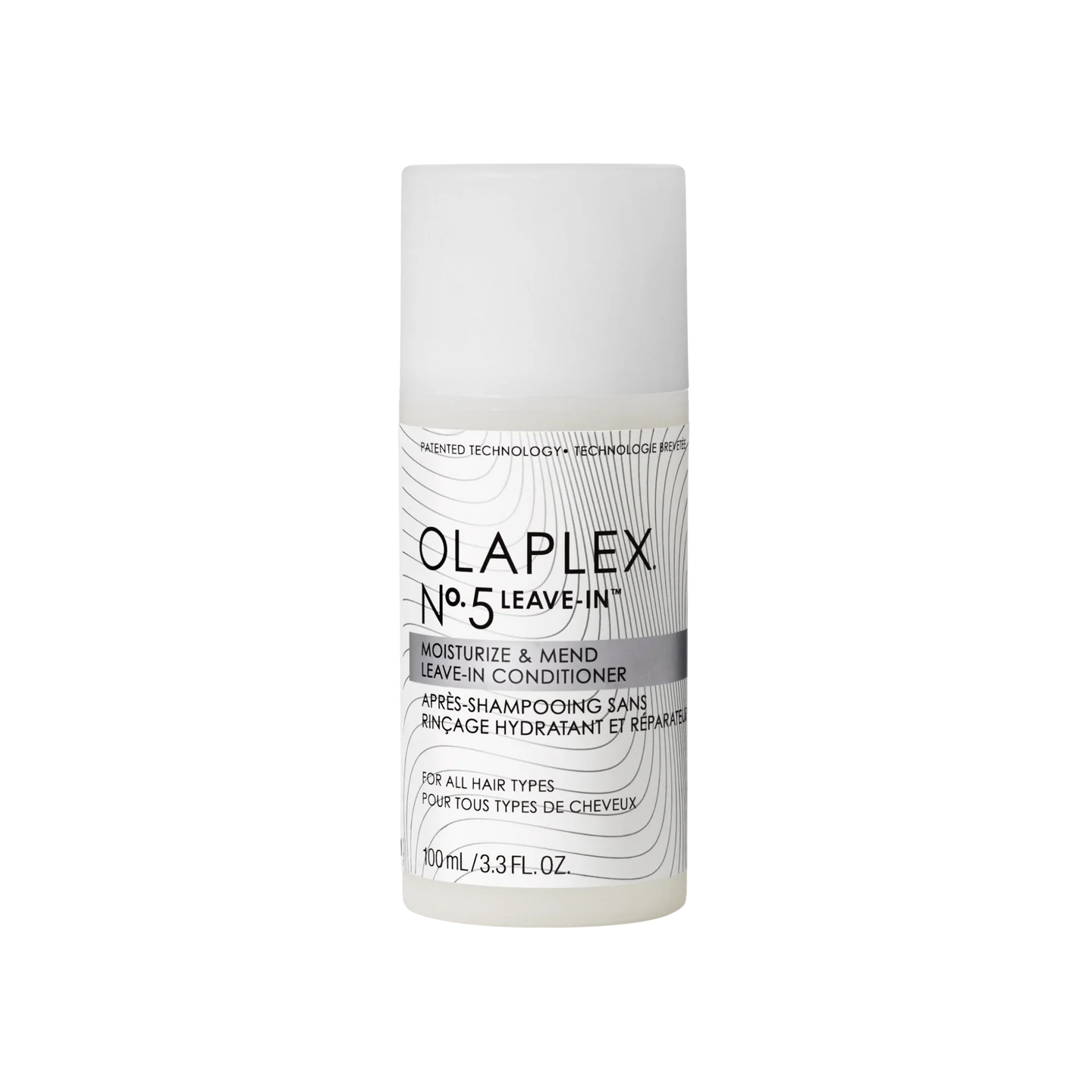
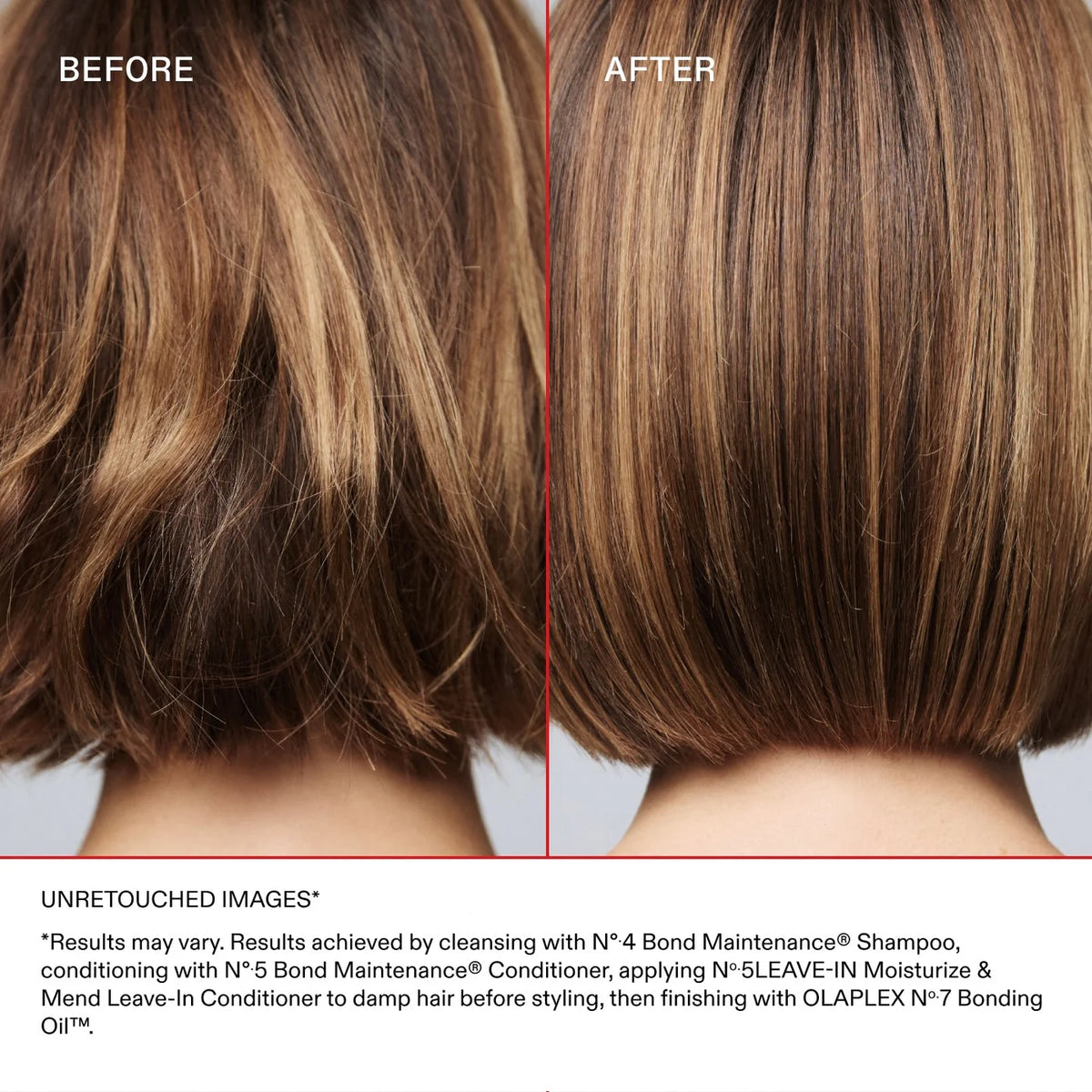
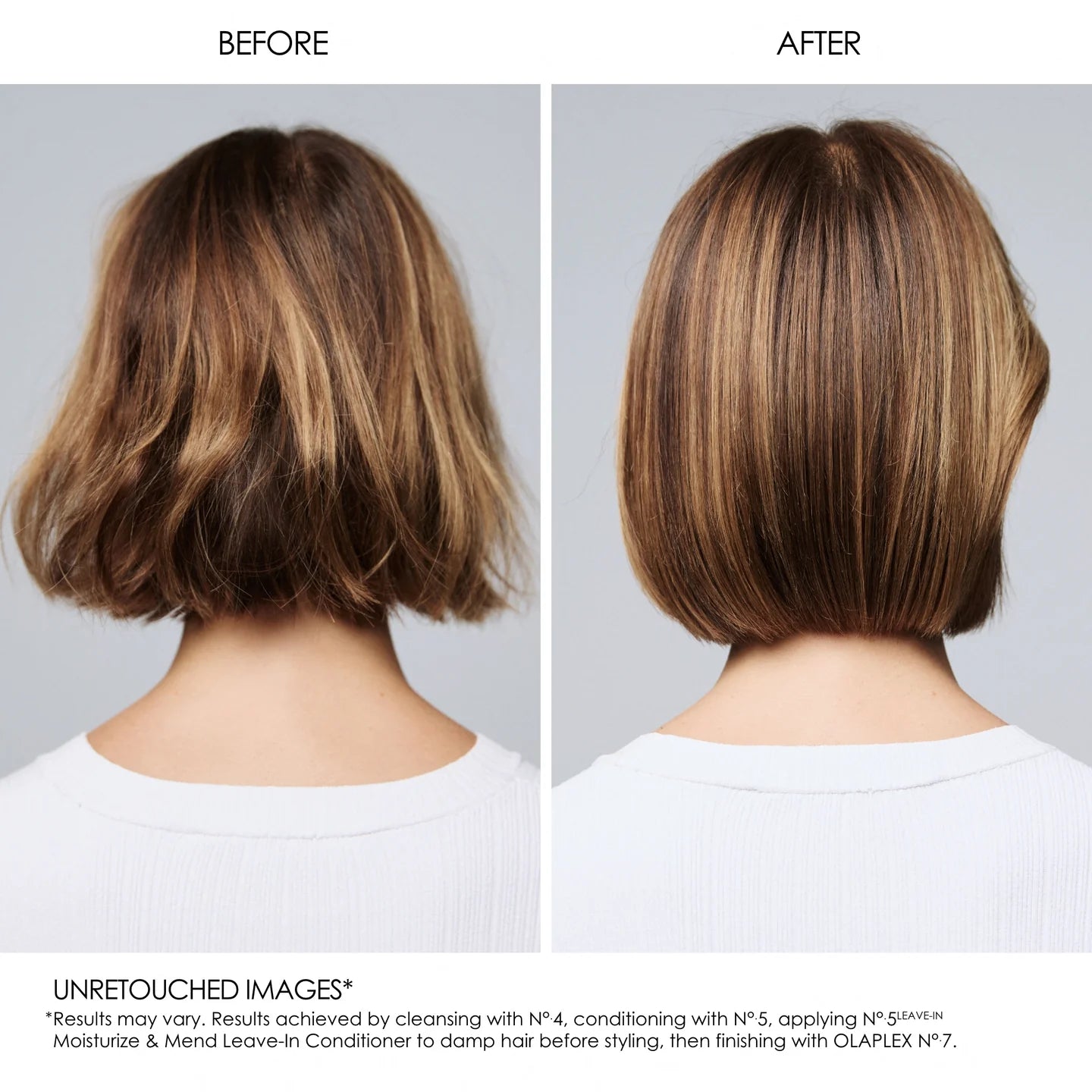
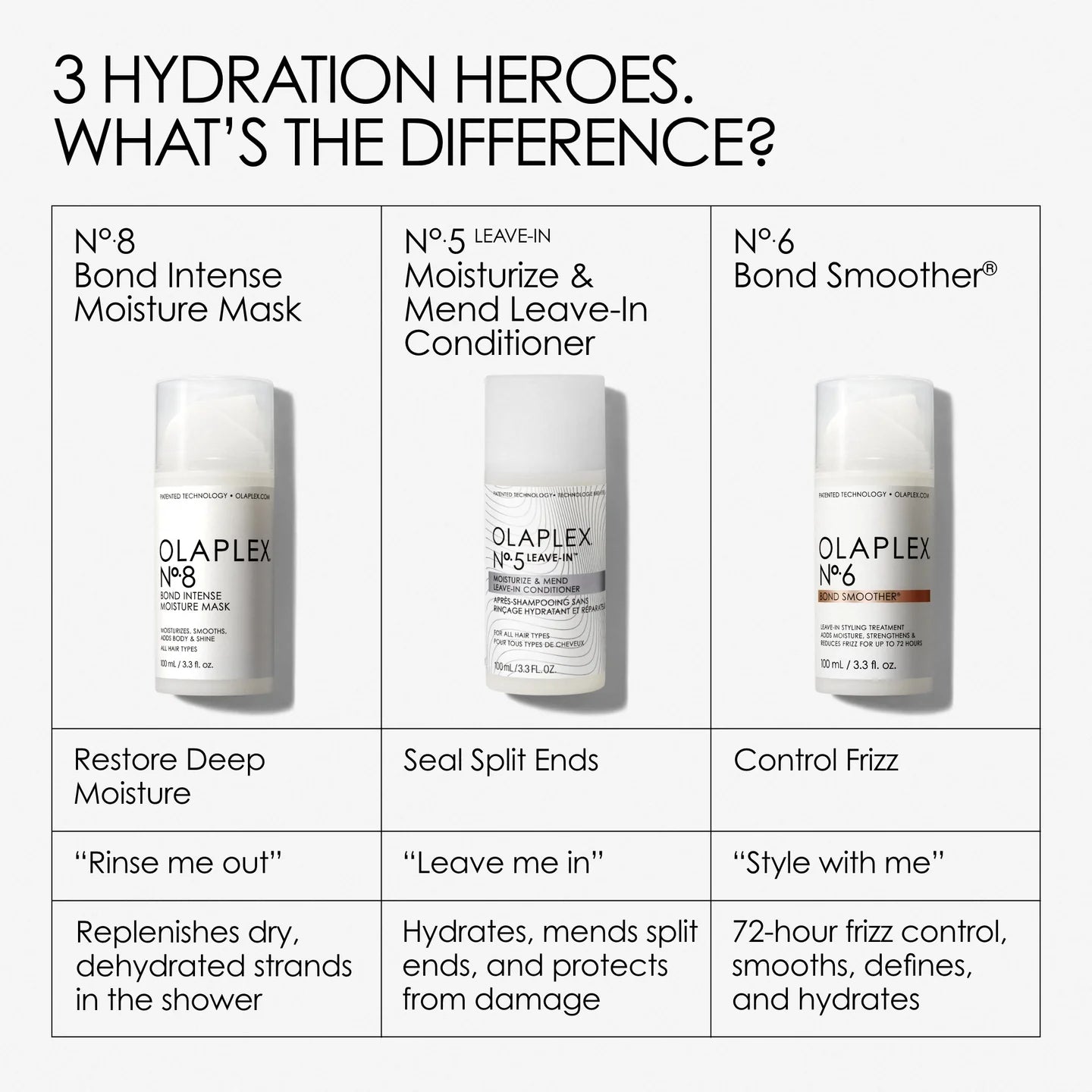
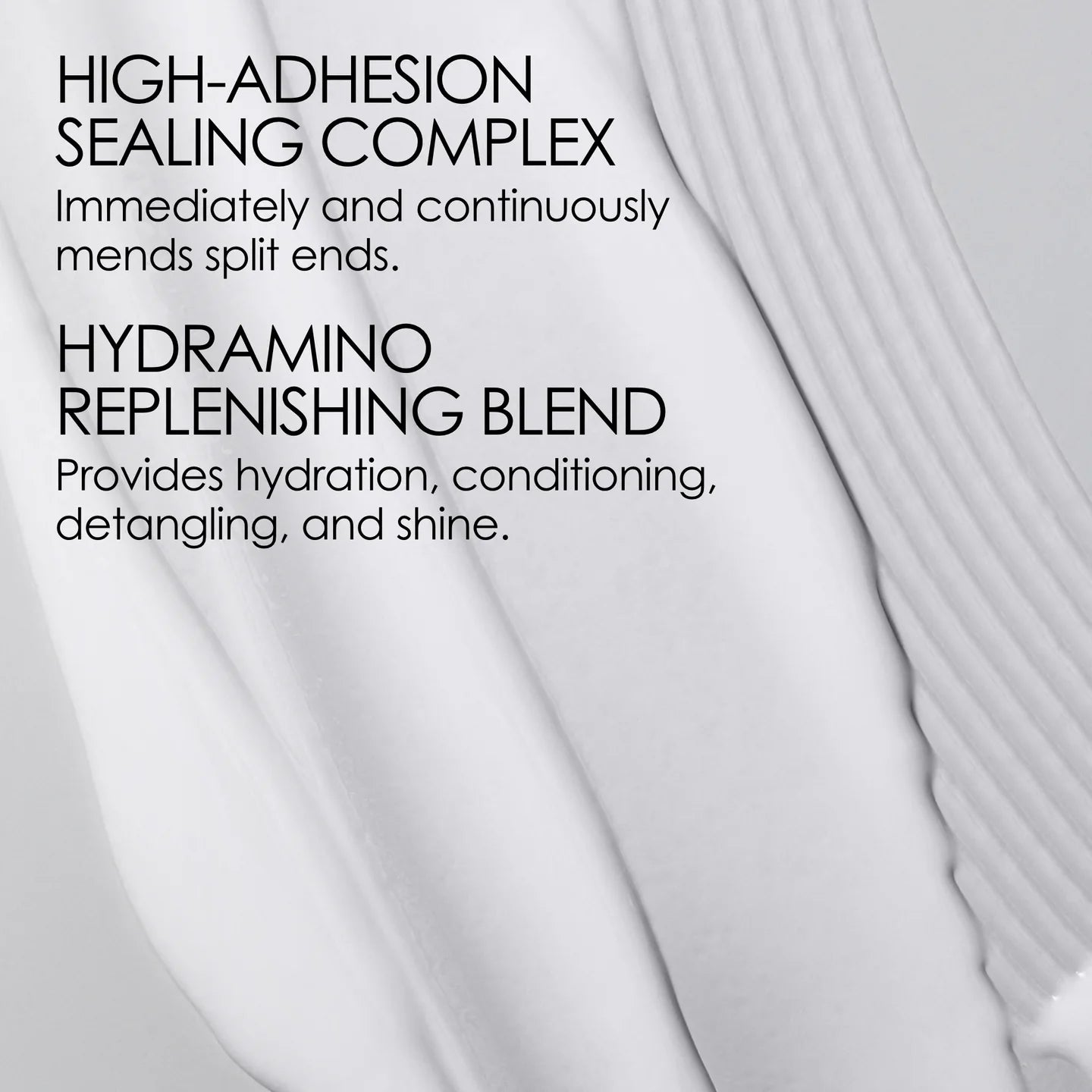
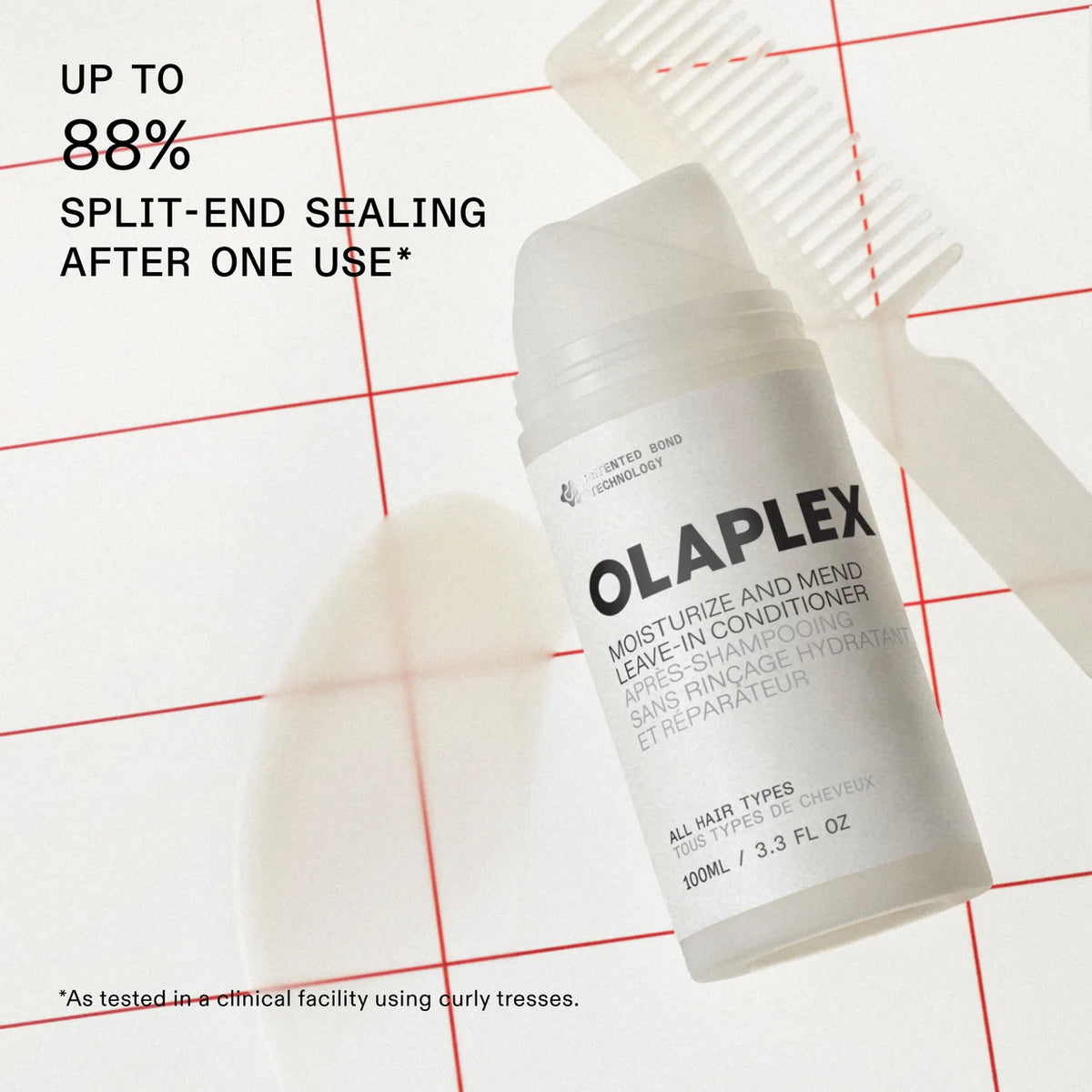
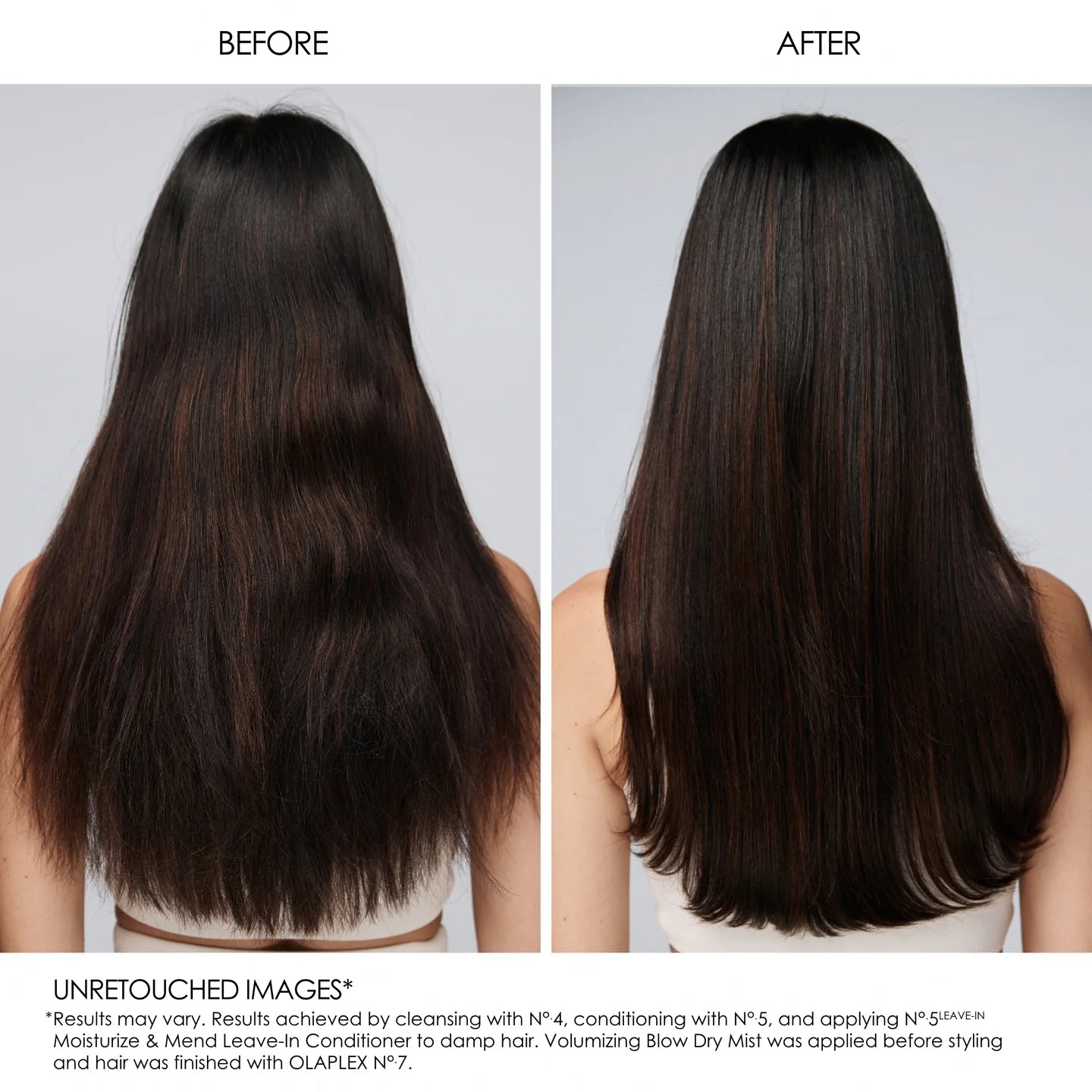
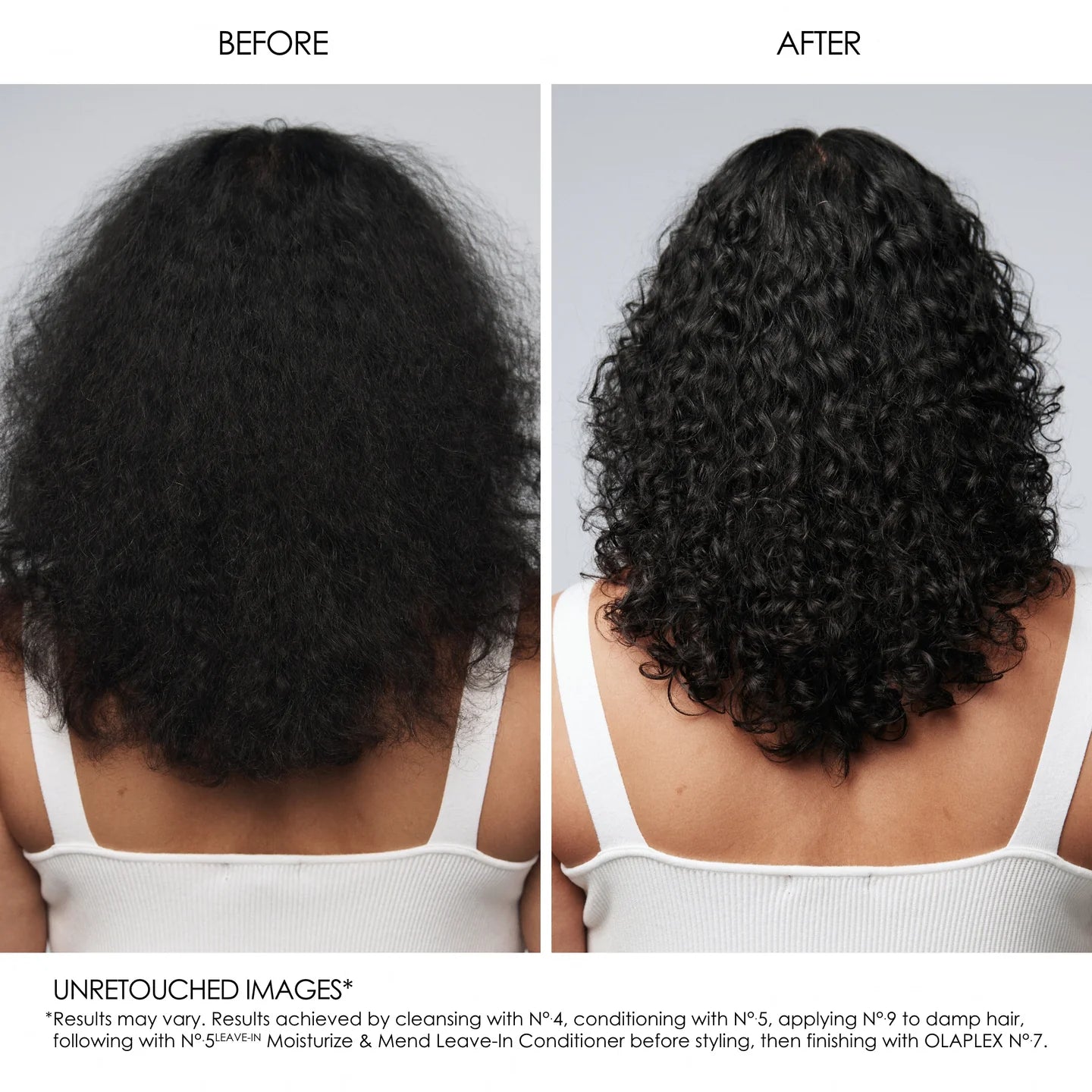
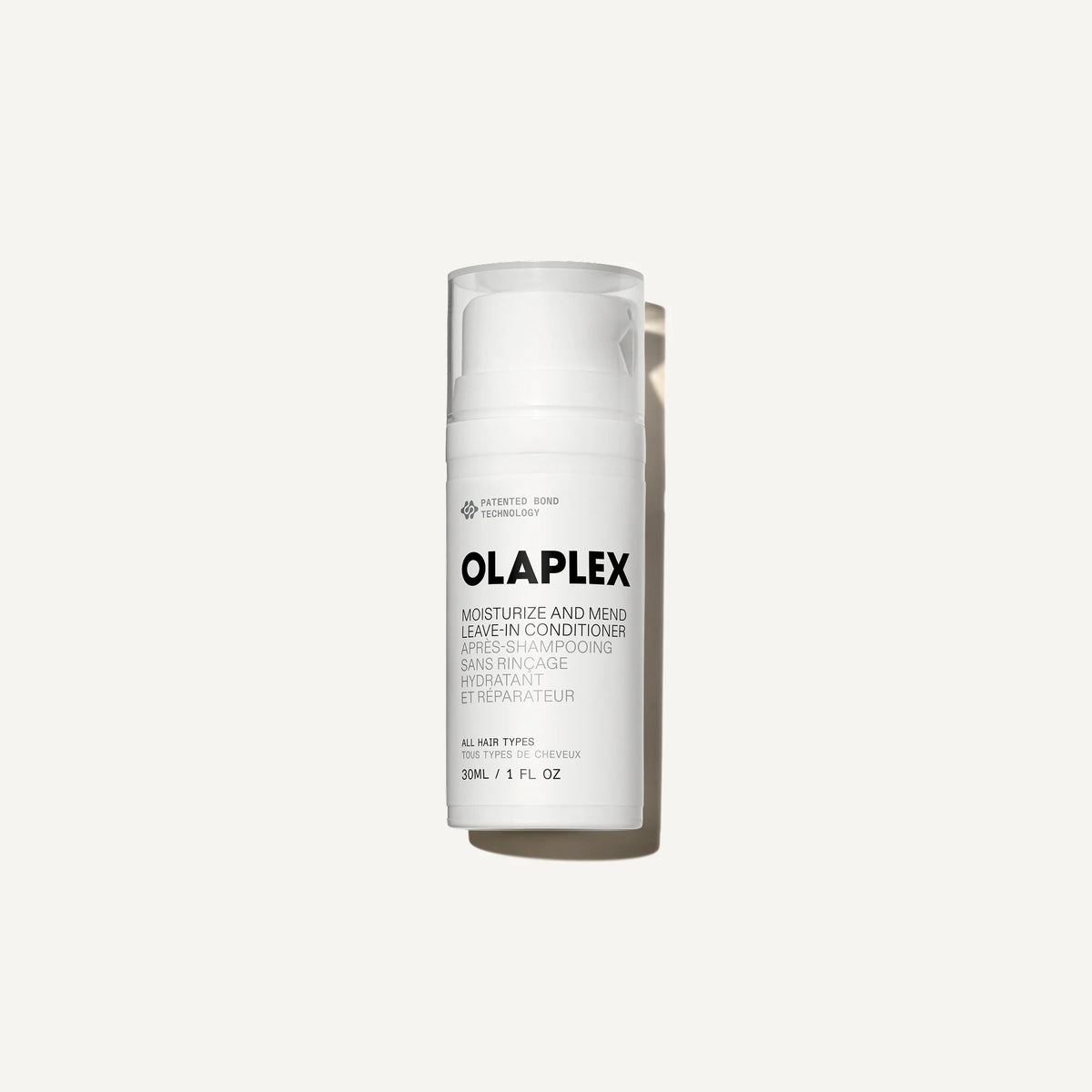
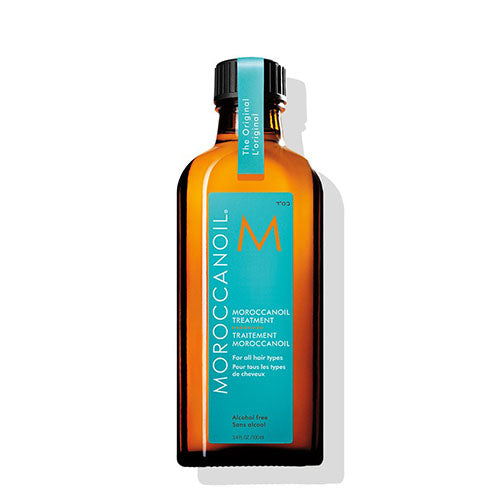
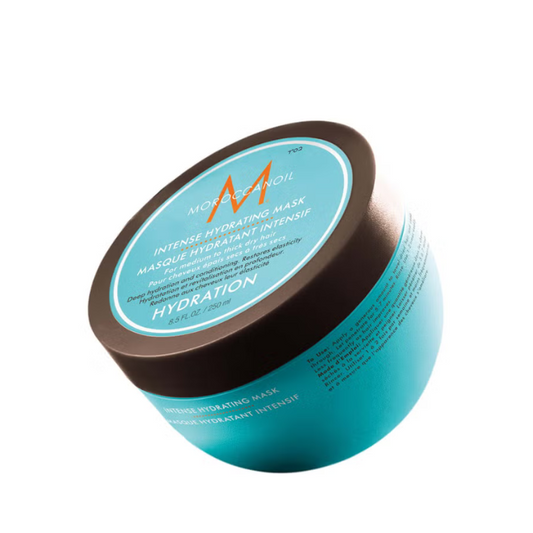
A professional mask, conditioner and leave-in product can improve softness, slip and manageability, helping to reduce tangling and friction. Some bond-building or strengthening treatments may also improve the hair’s resistance to breakage when chosen and used correctly.
Apply products according to their directions; more is not always better. These treatments support and protect the remaining fibre, but they cannot permanently repair hair that has already snapped.
Protect fragile hair before swimming
Pool chemicals, salt water, sun, tangling and the friction of swimming can add more stress. Before entering the sea or pool, wet the hair with fresh water and apply a suitable protective leave-in conditioner or mask if its directions permit. Secure the hair gently and consider wearing a swim cap.
After swimming, rinse promptly with fresh water, cleanse as appropriate and condition thoroughly. Do not leave fragile hair tangled and then force a brush through it.
Sleep and dry with less friction
Avoid going to bed with wet, loose and tangled hair. Use a smooth pillowcase or bonnet if suitable, and wear the hair in a loose protective style. Blot rather than rub it dry, preferably with a soft microfibre towel or cotton T-shirt.
Remove ends that cannot be saved
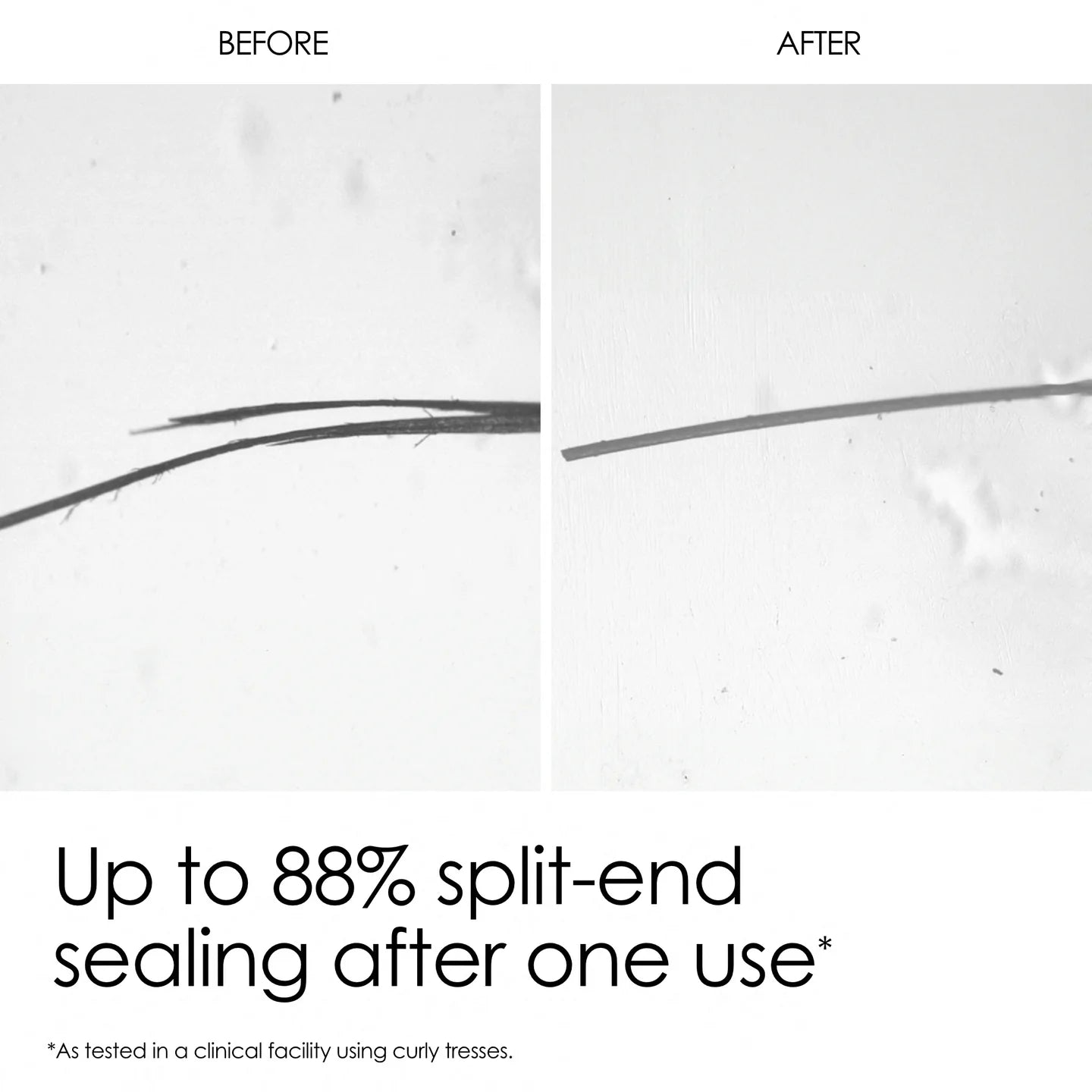
A careful trim can stop splitting ends from travelling farther up the strand and can make thin, broken lengths look fuller. Cutting damaged ends does not make the roots grow faster, but it may help prevent further splitting and create a healthier-looking shape while the hair grows out.
Supporting healthy growth at the scalp
Protecting the ends is only half of the plan. The other half is supporting normal growth from the roots.
Keep the scalp clean and comfortable with a routine suited to your scalp and lifestyle. Eat a balanced diet with adequate protein, iron and other essential nutrients, and address persistent scalp problems or sudden, unusual shedding with a doctor or dermatologist.
Supplements are not a shortcut to longer hair. They may help when a genuine deficiency exists, but unnecessary high-dose supplements can be ineffective or harmful. If you suspect a deficiency—or are experiencing significant shedding—seek medical advice and appropriate testing rather than guessing.
Good scalp care and overall health support the conditions for normal hair growth, but no shampoo, vitamin or treatment can promise twelve inches of growth in a few months.
When to seek medical advice
Breakage happens along the hair shaft, while shedding usually involves complete hairs coming away from the root. If you notice sudden or excessive shedding, bald patches, scalp pain, persistent itching or another significant change, speak with a doctor or dermatologist. Salon care can help protect fragile lengths, but it cannot diagnose or treat an underlying medical condition.
Set a realistic timeline
My client told me that she wanted her hair to be twelve inches longer by Christmas. I understood why: discovering that so much hair has broken can be upsetting, and naturally we want to reverse the loss quickly.
Unfortunately, that expectation is not biologically realistic. Twelve inches is just over 30 centimetres. At an average growth rate of around one centimetre per month, gaining that much new growth would take approximately two and a half years—and that is only if the new length is retained rather than continually breaking away.
The most useful goal is not “How can I force my hair to grow twelve inches?” It is:
How can I protect the centimetre that grows this month, and then do the same next month?
That is how longer hair is created: healthy growth at the root, combined with consistent protection through the mid-lengths and ends.
The Haircare Cyprus message
If your hair seems not to be growing, look carefully before blaming the roots. Check your regrowth. Examine the ends. Notice short pieces, thinning, tangling and snapping. Your scalp may be producing new hair normally while daily breakage is taking the length away.
The earlier stressed hair is recognised, the more length may be preserved. Slow down chemical services, avoid overlapping highlights, reduce friction and heat, protect the hair around the sea and pool, and follow a consistent professional care plan.
There is no instant way to replace length that has already broken off. But with patience, realistic expectations and much gentler treatment, you can give new growth the best possible chance of staying on your head—and becoming the long hair you are working towards.
About the author: Georgina Kyriacou is a hair professional and the founder of HairCare Cyprus, sharing practical advice drawn from real salon experience.
If you are worried about breakage following highlights or another chemical service, book a professional hair and scalp consultation with Haircare Cyprus before arranging your next colour appointment. A personalised assessment can help determine what your hair can safely tolerate and how to protect the length you still have.