
Hair Thinning, Shedding or Breakage? What to Do
Share
Quick answer: Why is my hair thinning, shedding or not growing?
Hair can look thinner because complete hairs are shedding from the root, strands are breaking through the lengths, or new growth is becoming finer. These problems have different causes and need different responses. Start by identifying what you are seeing; seek medical advice for sudden, persistent or patchy loss, and use scalp and haircare products to support comfort and reduce avoidable damage—not as a substitute for diagnosis.
First, Identify Shedding, Breakage or Gradual Thinning
Shedding from the root
Shedding involves complete hairs coming away from the follicle, often during washing or brushing. Some daily shedding is normal, but a clear increase can follow illness, major stress, childbirth, rapid weight change, nutritional deficiency, medication changes or hormonal factors.
Breakage through the lengths
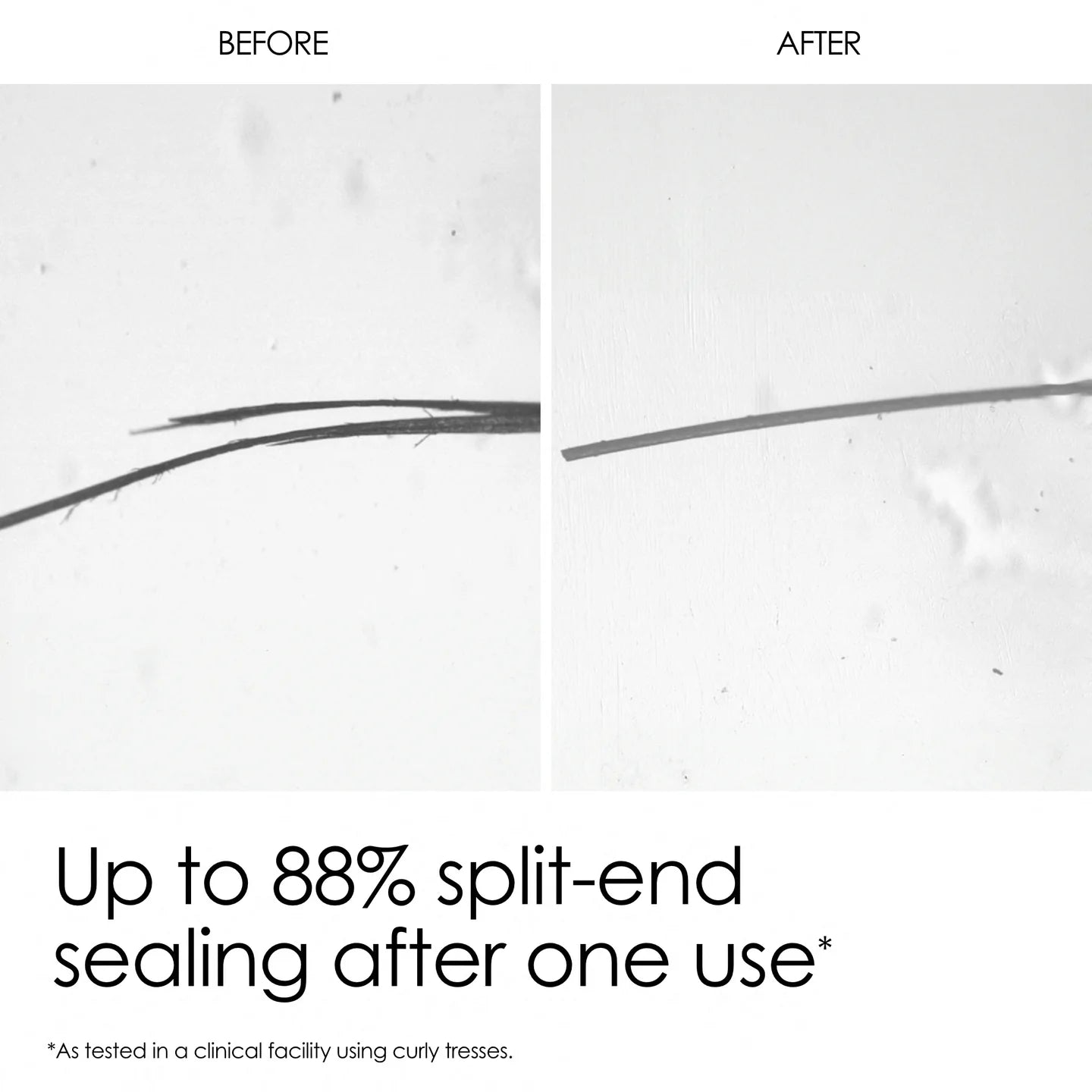
Broken hairs are shorter pieces without a full-length strand. Bleach overlap, frequent high heat, tight styles, friction and rough detangling can cause the shaft to snap. Breakage can make the ends look thin even when growth at the scalp is normal.
Gradual thinning or finer regrowth
A widening part, reduced density around the temples or progressively finer hairs may reflect pattern hair loss or another underlying condition. A doctor or dermatologist is best placed to assess this.
Common Reasons Hair Changes
- genetics and age;
- pregnancy, postpartum changes, menopause or other hormonal factors;
- illness, fever, surgery or prolonged stress;
- iron, thyroid, protein or other nutritional issues;
- certain medicines or medical treatments;
- inflammatory or uncomfortable scalp conditions;
- chemical overprocessing, heat, tension and mechanical breakage.
Product buildup can make the scalp feel oily, itchy or uncomfortable, but it does not simply “suffocate” follicles. Likewise, scalp massage may feel relaxing and help distribute product, but it should not be presented as a proven treatment for a medical cause of hair loss.
When to Speak With a Doctor or Dermatologist
Arrange medical advice if you notice:
- sudden or heavy shedding;
- bald patches or a rapidly widening part;
- loss of eyebrows or other body hair;
- scalp pain, burning, sores, heavy scaling or persistent itching;
- hair loss following a medication change or alongside other symptoms;
- shedding that continues or causes significant concern.
A clinician may review your history, scalp, medicines and—when appropriate—blood tests. Avoid starting high-dose supplements before testing, because they can be unnecessary and some can interfere with laboratory results.
A Practical Scalp and Hair Routine
1. Cleanse according to your scalp
Wash often enough to keep the scalp comfortable. Choose a gentle shampoo suited to whether your scalp is oily, dry, flaky or sensitive. More cleansing is not always better, and harsh scrubbing can increase irritation.
2. Condition and protect the lengths
Use conditioner through the mid-lengths and ends, detangle gently and apply heat protection before styling. Reduce bleach overlap, very high temperatures and tight styles if breakage is present.
3. Use scalp products for their stated purpose
Cosmetic scalp products can cleanse, moisturise or improve the feel of the scalp and hair. Follow the directions and stop if irritation develops. They should not delay medical assessment of unexplained hair loss.
4. Support general nutrition
A varied diet with adequate protein and essential nutrients supports normal hair biology. Supplements may be useful when intake is inadequate or a deficiency is identified, but they do not reliably treat every form of shedding or thinning.
5. Track changes calmly
Take photographs of the parting, temples and ponytail at consistent intervals and lighting. Hair cycles are slow, so daily checking can create anxiety without showing a meaningful trend.
Professional Products to Explore
The right product depends on whether your priority is scalp comfort, fuller-looking hair or protecting fragile lengths.
For a targeted scalp routine
- Mediceuticals Folligen Shampoo for women with fine-to-normal hair.
- Mediceuticals Saturate Shampoo for women with dry or coarse hair.
- Mediceuticals Cellagen Follicle Revitalizer, used according to the product directions.
- Mediceuticals Women's Kit for Fine/Normal Hair or the Women's Kit for Dry Hair.
For nutritional support
IvyBears Women's Hair Vitamins contain nutrients including biotin and zinc. Check suitability with a healthcare professional when you take medication, have a medical condition, are pregnant or breastfeeding, or are preparing for blood tests.
For breakage and fragile lengths
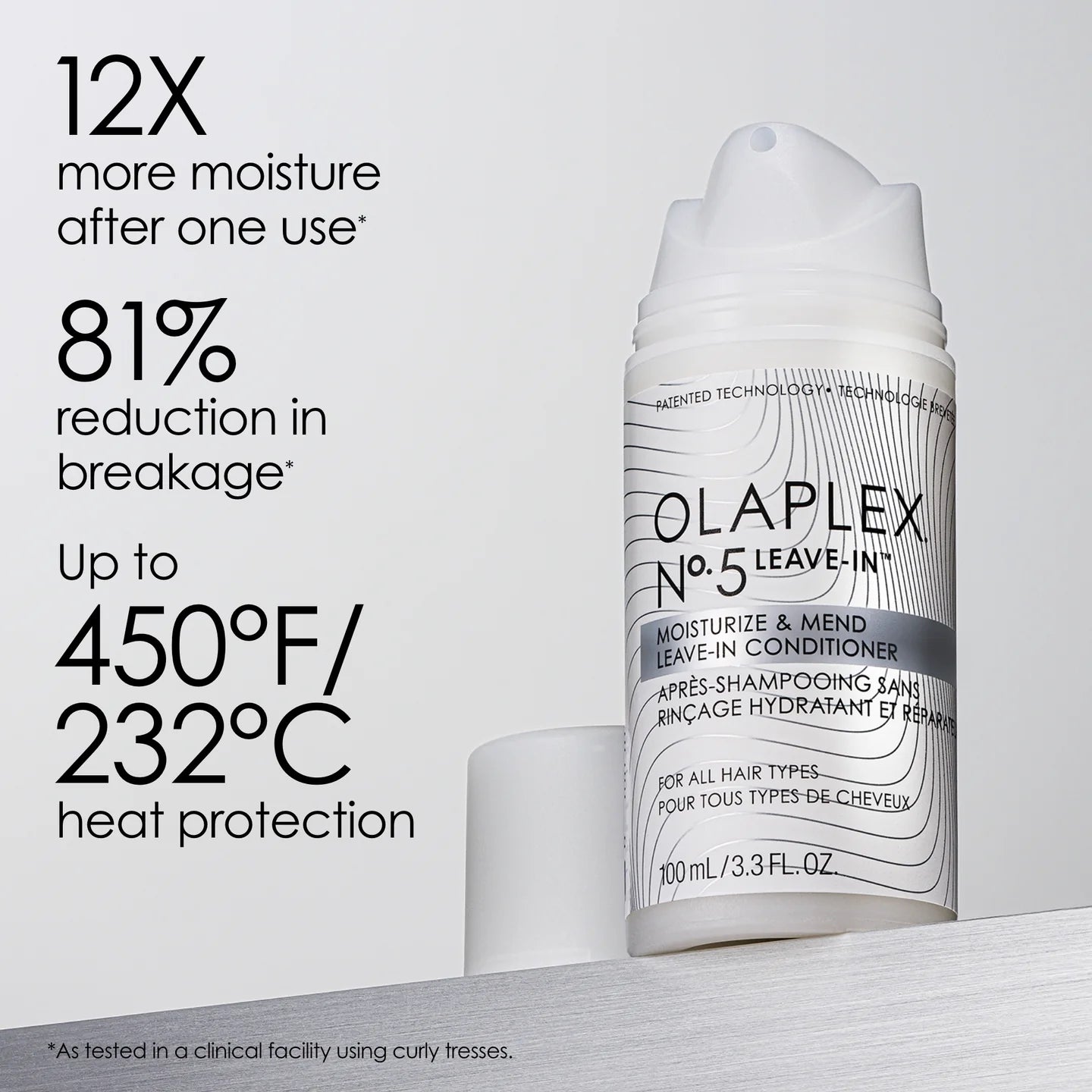
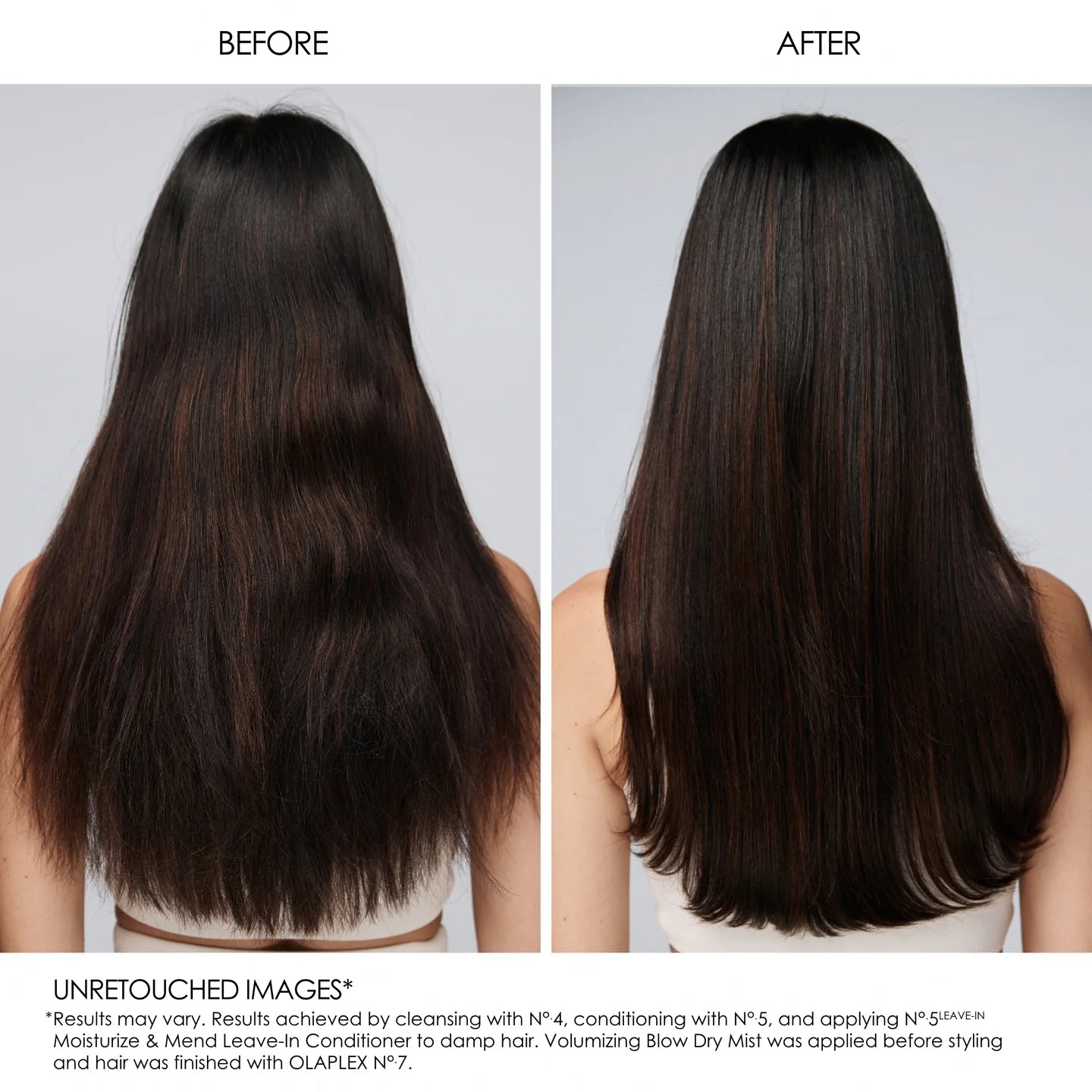
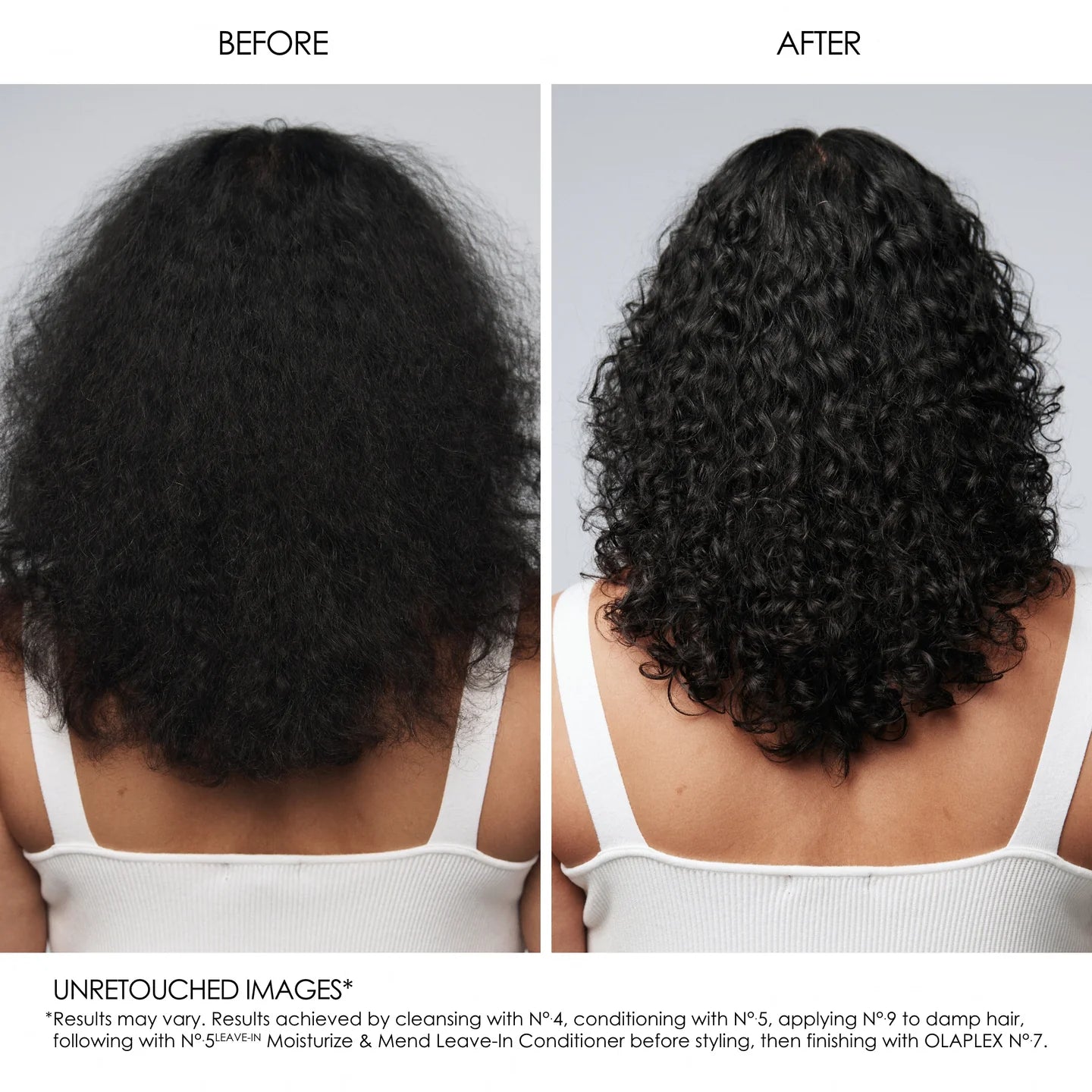
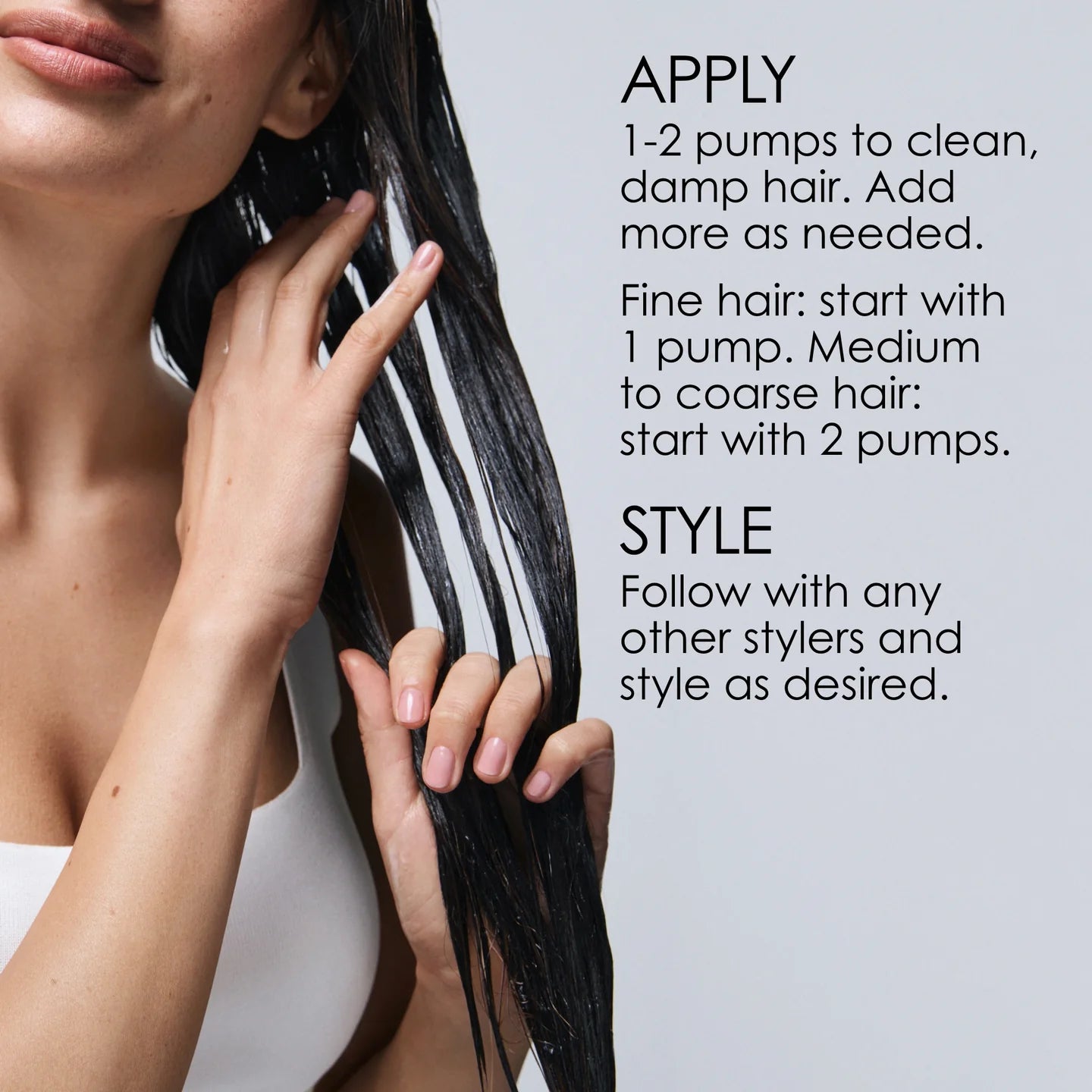
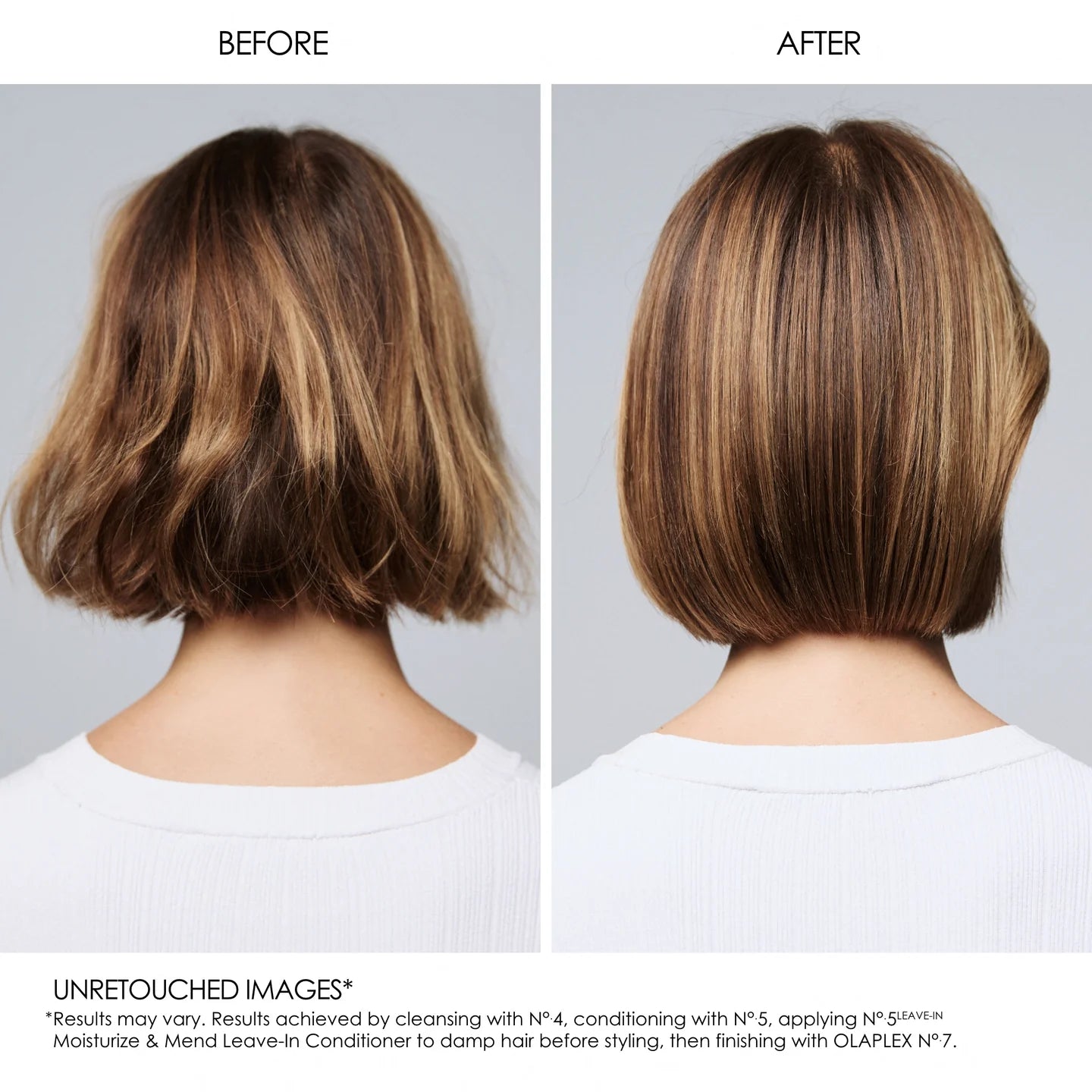
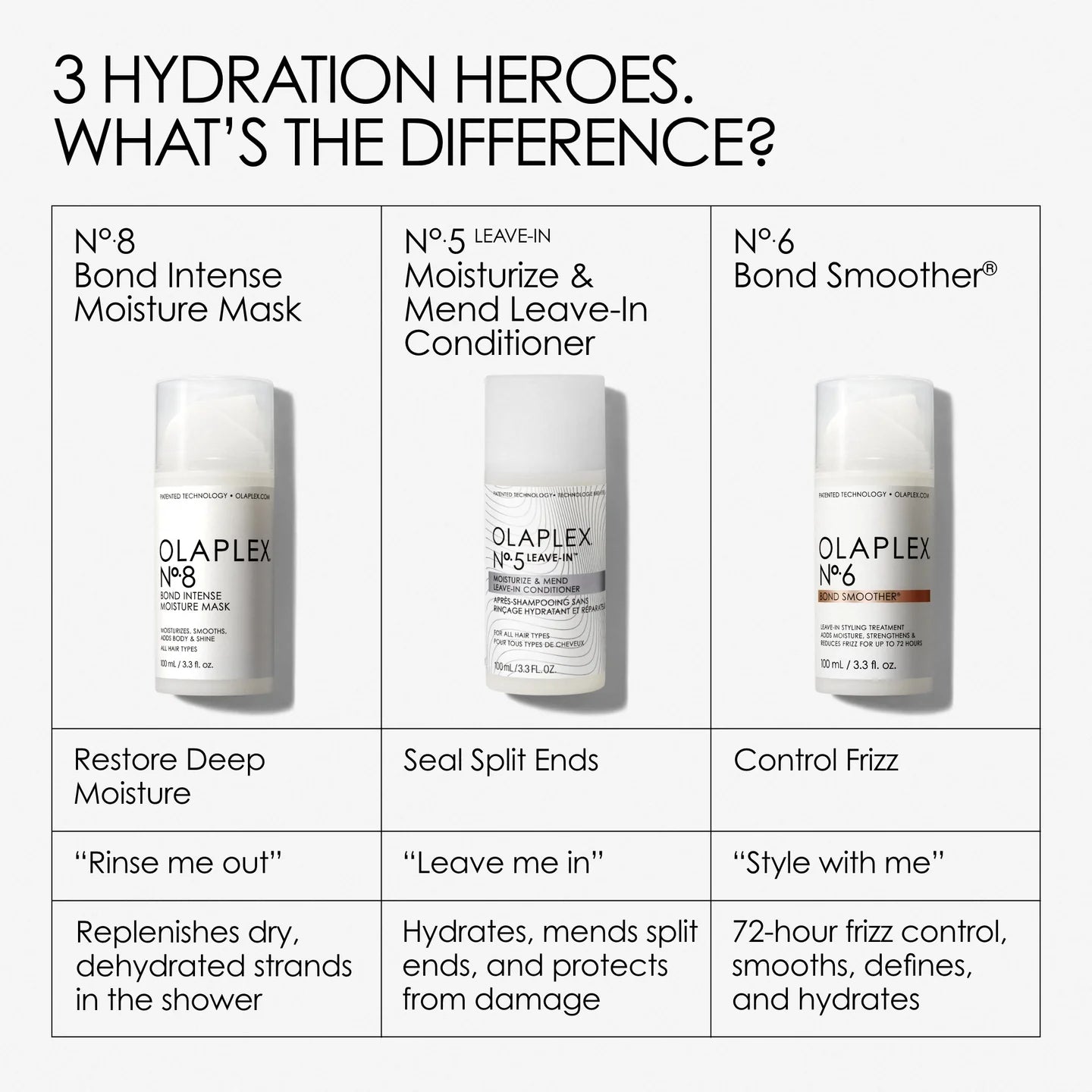
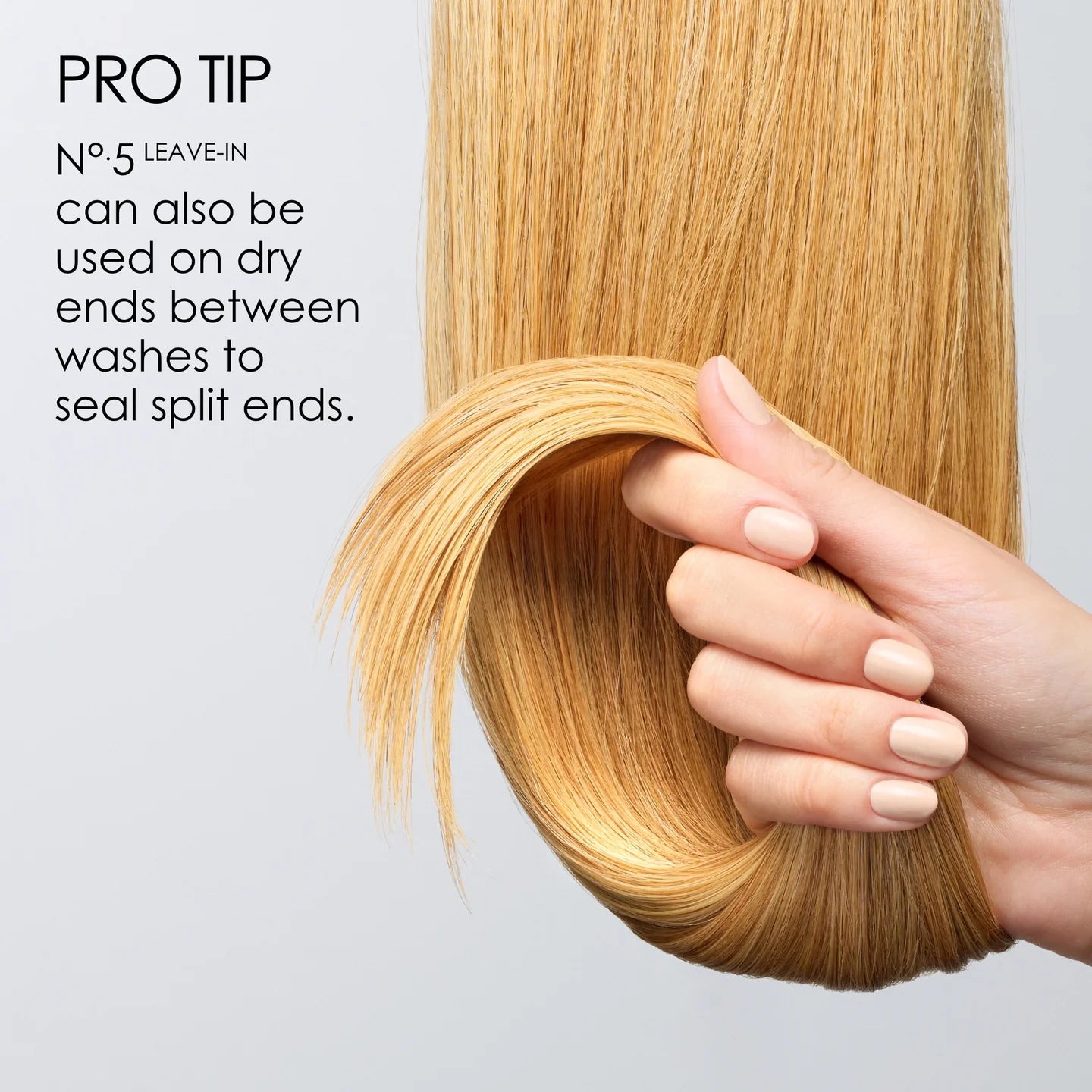
Olaplex treatments and products such as Olaplex Nº.6 Bond Smoother can support smoother, more manageable lengths. They may help reduce avoidable breakage but do not treat hair loss from the root.
Frequently Asked Questions
Can shampoo make hair grow?
Shampoo cleanses the scalp and can improve comfort or the appearance of the hair, but it cannot correct every medical, hormonal or genetic cause of hair loss.
Why does my hair grow at the roots but stay the same length?
The ends may be breaking as quickly as new hair grows. Look for short snapped pieces, split ends, transparency and a history of bleach, heat or tension.
Will vitamins stop shedding?
Only when nutrition is relevant to the cause. More vitamins are not automatically better, and excess amounts can be harmful. Seek individual advice for persistent shedding.
How quickly should I expect results?
Hair cycles take months, and the timeline depends on the cause. Cosmetic products can change softness or manageability sooner, but density changes should not be promised.
Get Personalised Help in Cyprus
HairCare Cyprus can help you choose a gentle scalp and length-care routine based on your hair type, colour history and styling habits. Message Georgina on WhatsApp at +357 99 859357.
For diagnosis, blood tests or treatment of hair loss, consult a doctor or dermatologist.
About the author: Georgina Kyriacou is a professional hairdresser and founder of HairCare Cyprus. Her advice focuses on cosmetic scalp care, preventing breakage and helping clients use professional products correctly.