
Postpartum Hair Loss: Causes, Timeline and Gentle Care
Share
Quick answer: Is hair shedding after pregnancy normal?
Increased shedding a few months after giving birth is common and is often caused by more hairs moving into the resting and shedding phase after pregnancy. It usually improves as the hair cycle settles, but bald patches, scalp symptoms, very heavy loss or persistent shedding should be discussed with a doctor or dermatologist.
What Is Postpartum Hair Loss?
Postpartum hair loss is commonly described as postpartum telogen effluvium. During pregnancy, hormonal changes can keep more hairs in the growing phase. After birth, many of those hairs may shift into the resting phase and shed over a shorter period.
This can look dramatic because the shedding is concentrated, but the follicle is not necessarily permanently damaged.
When Does Postpartum Shedding Start?
Many people notice increased shedding around two to four months after childbirth. It can become most noticeable several months postpartum and commonly improves over the following months. Timelines vary, so avoid treating any single date as a guarantee.
What Does It Look Like?
- more complete hairs in the shower, brush or on clothing;
- a thinner-feeling ponytail;
- reduced fullness around the temples or hairline;
- short new hairs appearing later as regrowth develops.
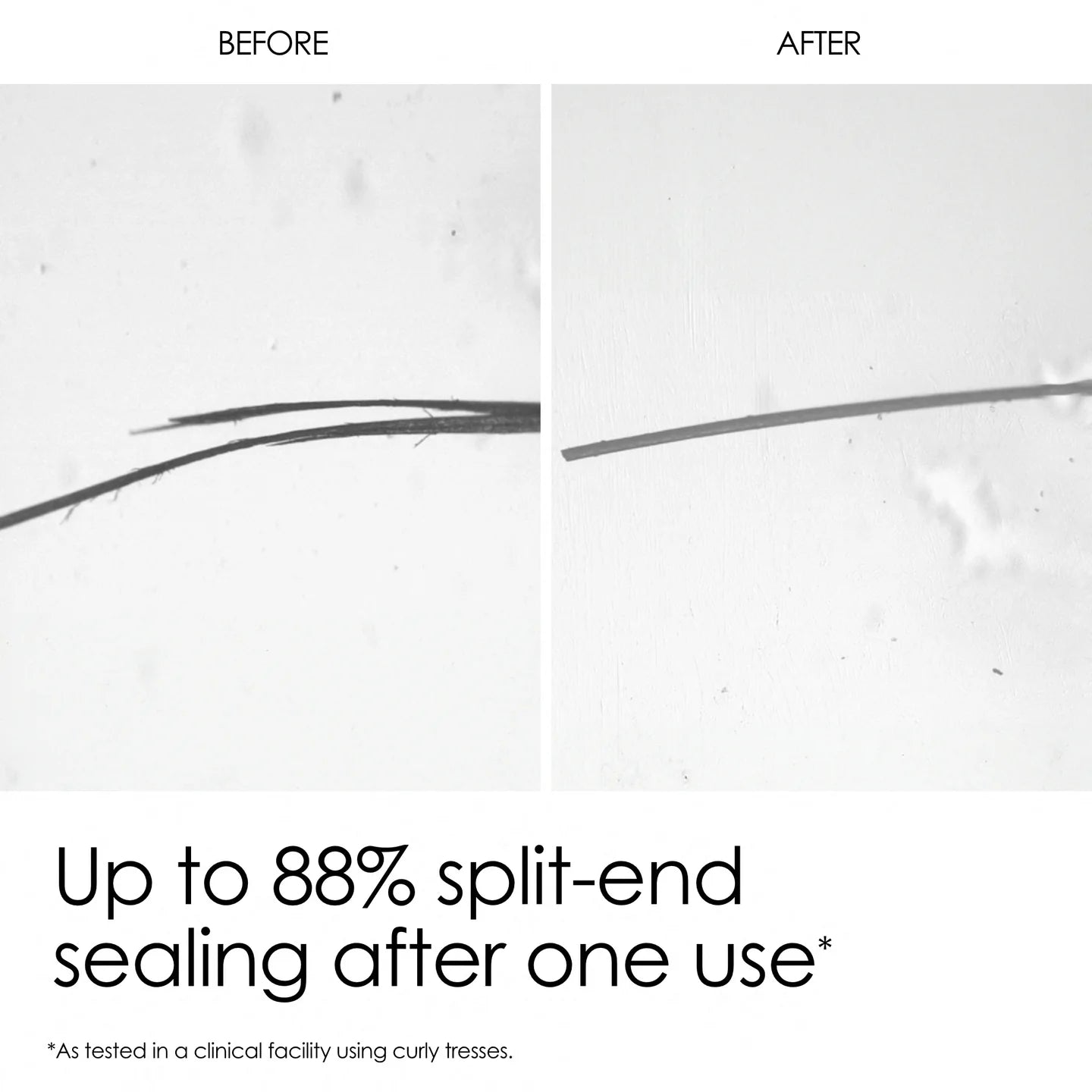
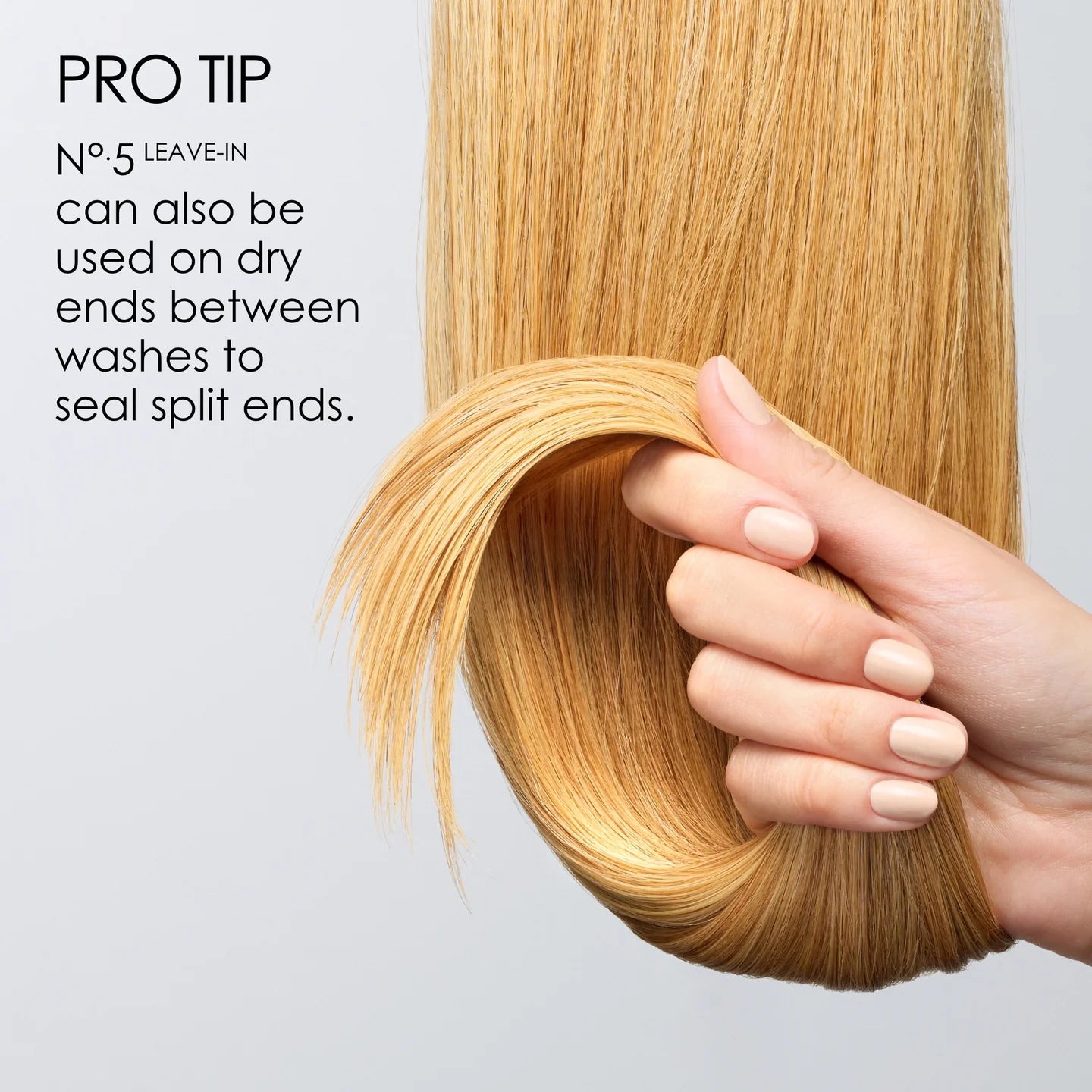
Breakage can happen at the same time, especially if the hair is bleached, heat-styled or tightly tied back. Broken pieces are shorter; shed hairs are usually full-length strands released from the root.
What Else Can Cause Hair Loss After Pregnancy?
Not every postpartum change should automatically be attributed to hormones. Other possible contributors include:
- iron deficiency or another nutritional problem;
- thyroid changes;
- illness, surgery or major physical stress;
- rapid weight loss or inadequate energy and protein intake;
- certain medicines;
- pattern hair loss or an inflammatory scalp condition.
A healthcare professional can decide whether examination or testing is appropriate. A salon scalp camera cannot diagnose these causes.
What Can You Do at Home?
Handle the hair gently
Detangle from the ends upwards, use conditioner for slip, avoid aggressive towel-rubbing and minimise tight styles that pull on the hairline.
Reduce unnecessary heat and chemical stress
Use heat protection, choose the lowest effective temperature and avoid overlapping bleach on fragile lengths. These steps do not stop hormonal shedding, but they can reduce additional breakage.
Keep the scalp comfortable
Wash often enough for your scalp and lifestyle with an appropriate shampoo. Product buildup does not simply suffocate follicles, but an uncomfortable, oily or flaky scalp may need a better cleansing routine or professional medical review.
Eat regularly and ask before supplementing
A varied diet with adequate protein and essential nutrients supports general recovery. Do not start iron or high-dose supplements without appropriate advice, particularly while breastfeeding or preparing for blood tests.
Give the hair cycle time
Hair grows slowly. Take occasional photographs in consistent lighting instead of checking daily, and avoid products that promise instant regrowth.
When Should You Seek Medical Advice?
Contact a doctor or dermatologist if you notice:
- bald patches or a rapidly widening part;
- scalp pain, burning, sores, significant scaling or persistent itching;
- loss of eyebrows or other body hair;
- very heavy or worsening shedding;
- shedding alongside unusual fatigue, palpitations or other symptoms;
- loss that persists beyond the expected postpartum recovery or worries you at any stage.
Can Hair Products Treat Postpartum Hair Loss?
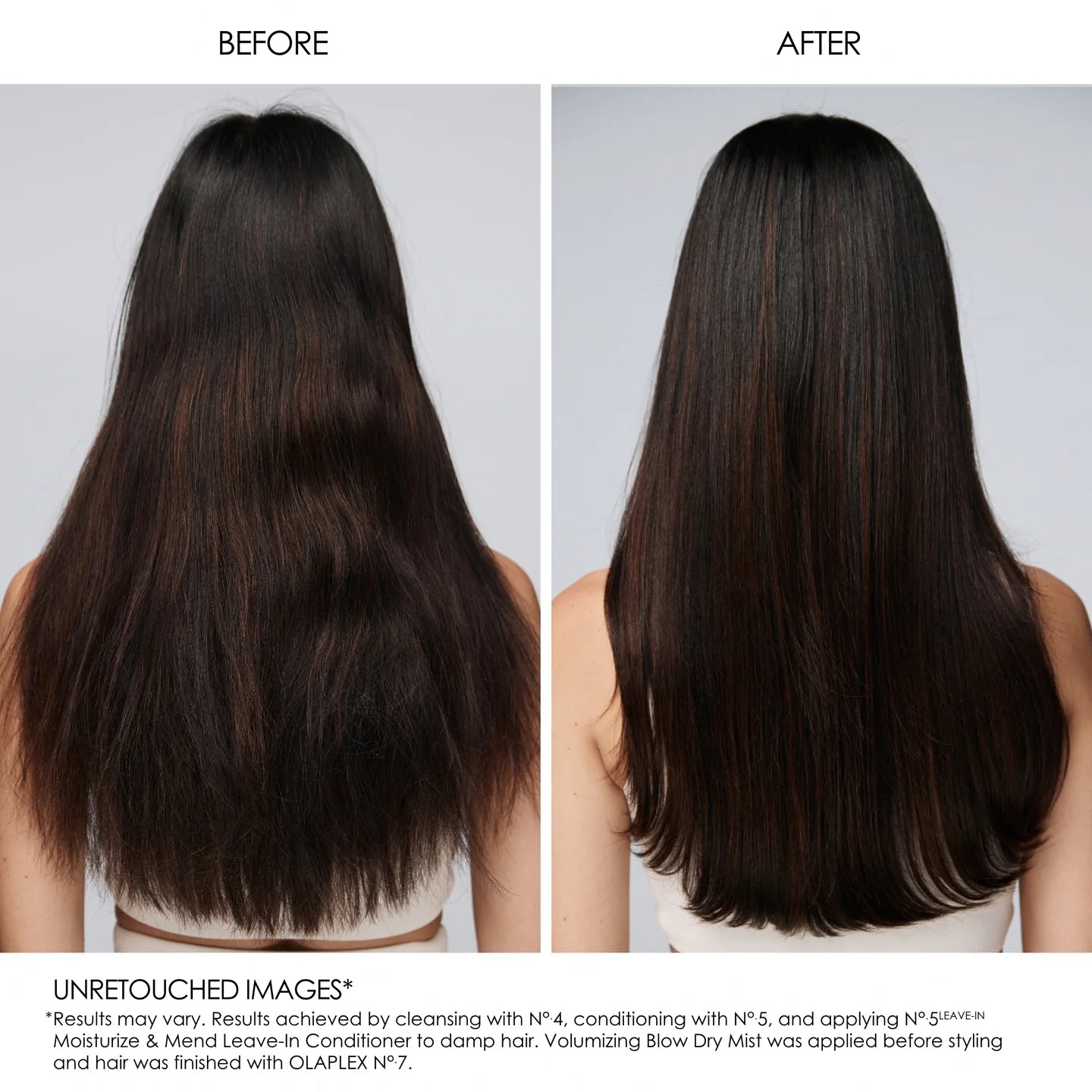
Cosmetic products can cleanse the scalp, improve softness, reduce tangling and help fragile lengths look fuller. They cannot correct every hormonal, thyroid, nutritional, genetic or inflammatory cause of hair loss.
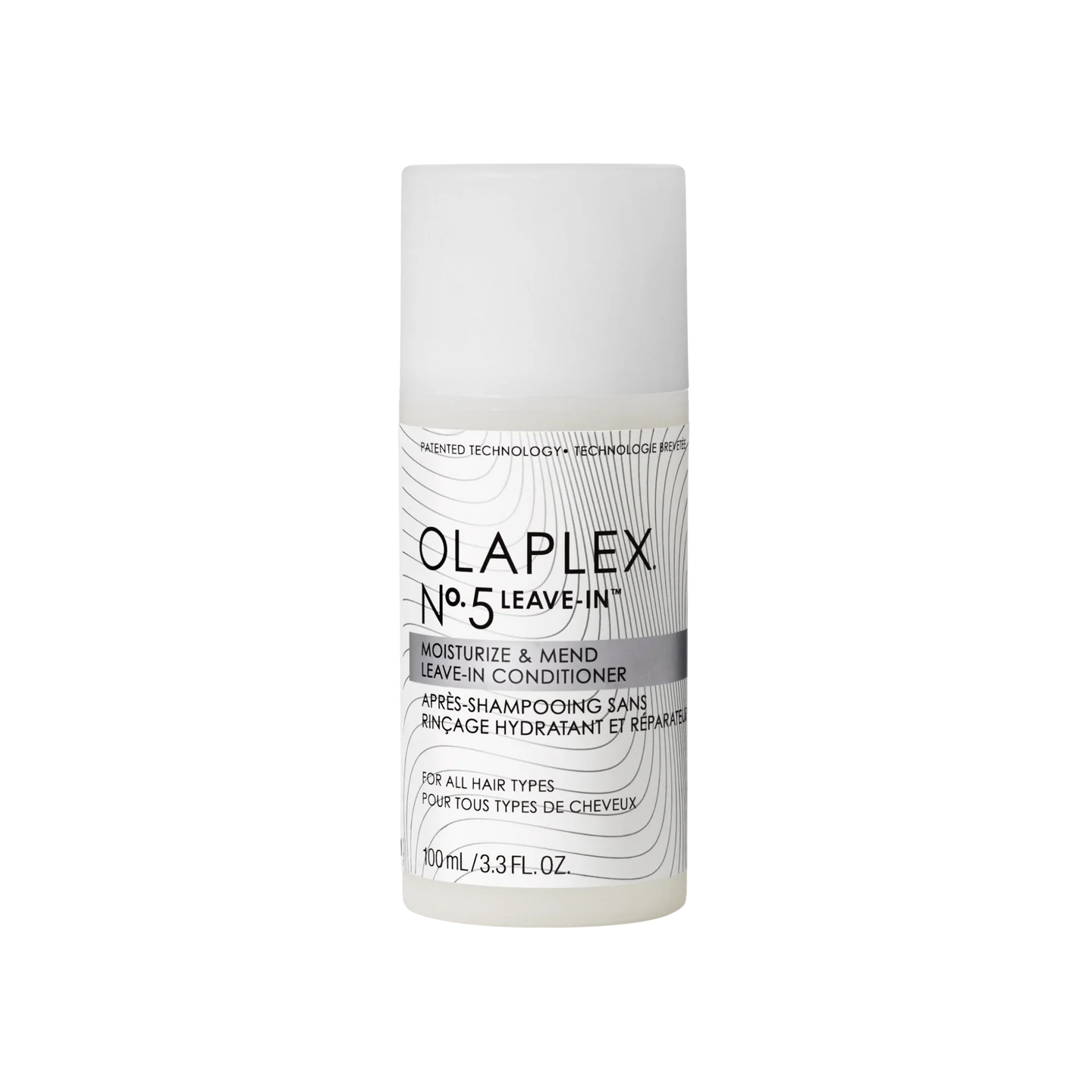
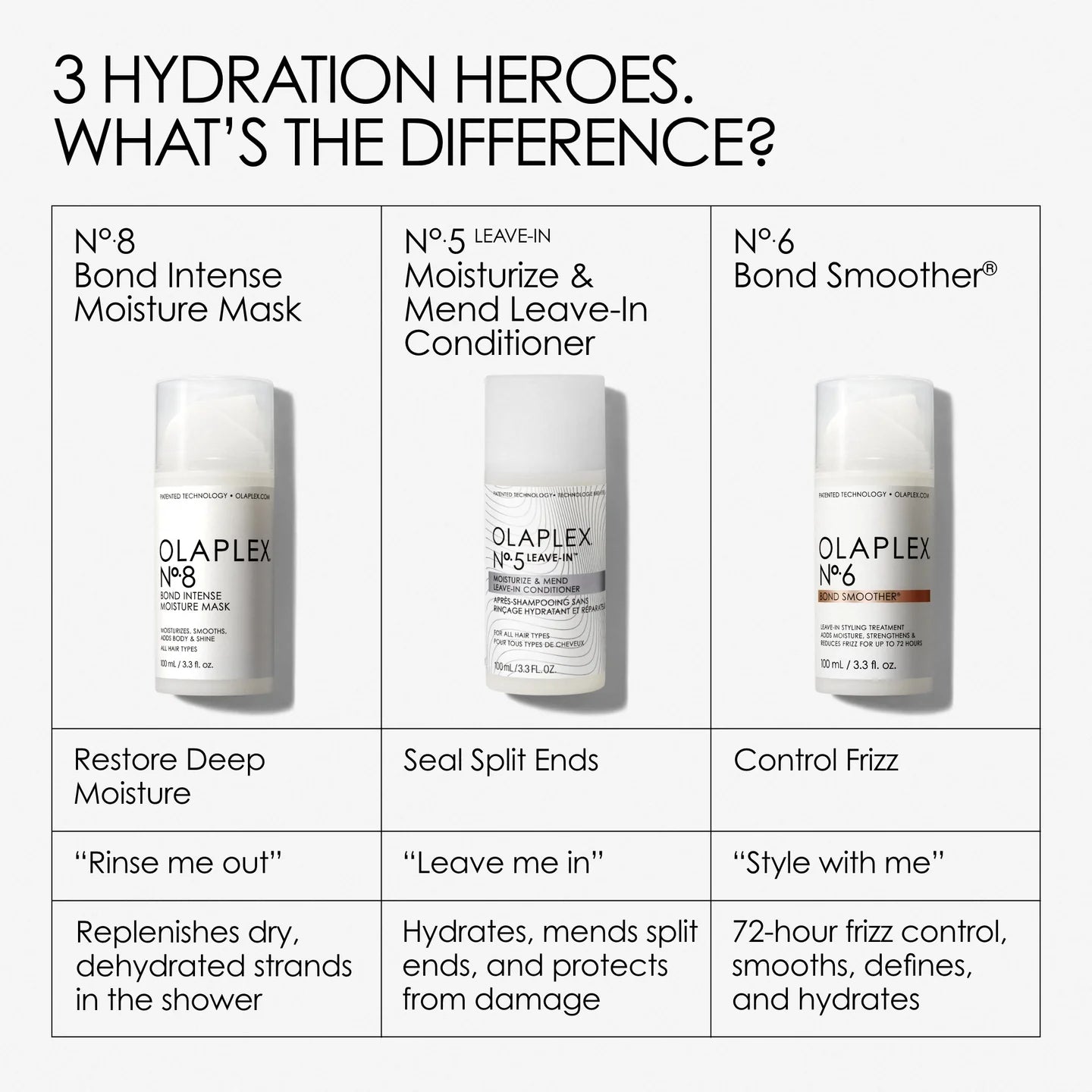
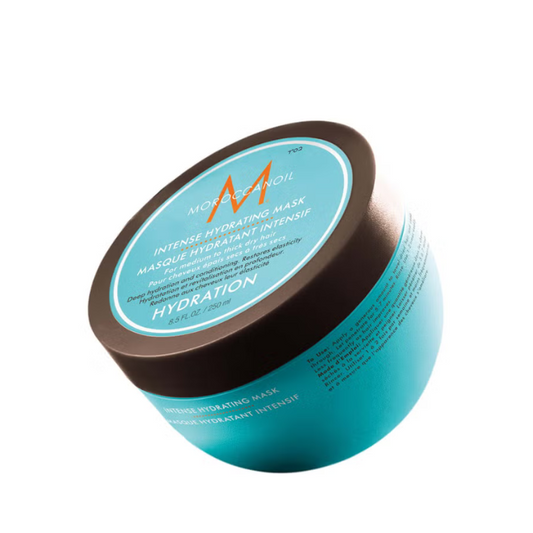
If you need help protecting the hair you have, explore gentle detangling brushes and the repair and hydration collection. Choose products for your actual scalp and hair condition rather than buying a complete routine by default.
Frequently Asked Questions
Can breastfeeding cause hair loss?
Postpartum shedding is primarily associated with the hair-cycle changes after pregnancy. Breastfeeding and postpartum nutrition can affect individual circumstances, so discuss personal health concerns with your healthcare team.
Will cutting my hair stop the shedding?
No. A haircut does not change the follicle cycle, but removing thin or split ends may make the hair look fuller and easier to manage.
Does brushing make postpartum hair fall out?
Brushing releases some hairs that were already ready to shed. Rough technique can also cause breakage, so use a gentle tool and avoid pulling.
Should I take biotin?
Biotin is not a universal treatment for postpartum hair loss. Ask a doctor or pharmacist before supplementing, as high doses can interfere with some laboratory tests.
Can postpartum shedding be prevented?
Normal postpartum hair-cycle shedding may not be preventable. Gentle care can limit additional breakage and keep the scalp comfortable while recovery occurs.
Support in Cyprus
For cosmetic routine guidance, read about the HairCare Cyprus postpartum hair and scalp consultation or message Georgina on WhatsApp at +357 99 859357.
For diagnosis, testing or medical treatment, contact a doctor or dermatologist.
About the author: Georgina Kyriacou is a professional hairdresser and founder of HairCare Cyprus. Her advice focuses on gentle cosmetic care and protecting fragile hair during postpartum recovery.