
Collagen for Hair Loss: What the Evidence Really Says
Quick answer: Does collagen stop hair loss?
Collagen supplements are not a proven treatment for most causes of hair loss. They provide amino acids that the body can use as part of normal nutrition, but they do not reliably stop shedding, regrow hair or correct hormonal, genetic, thyroid, iron-related or inflammatory conditions. Persistent or unusual hair loss needs medical assessment.
What Is Collagen?
Collagen is a structural protein found throughout the body, including skin and connective tissue. Collagen supplements are digested into peptides and amino acids, which the body can use according to its needs.
Hair itself is primarily made of keratin, not collagen. Eating collagen does not send it directly to the hair follicle or guarantee that it becomes new hair.
What Does the Evidence Say About Collagen and Hair?
Research on oral collagen has focused more strongly on skin and joint outcomes than on treating hair loss. Evidence for meaningful hair regrowth, reduced shedding or increased density remains limited, and product-specific marketing claims should not be generalised to every person.
Claims that collagen supplements extend the hair-growth phase, improve follicle oxygenation or reverse telogen effluvium should not be treated as established facts without robust clinical evidence.
Could Nutrition Still Affect Hair?
Yes. Inadequate energy, protein or essential nutrients can contribute to hair changes. Relevant issues may include iron deficiency, thyroid disease, rapid weight loss, restrictive eating or recovery after illness.
The right response is to identify the cause. Taking multiple supplements without testing can waste money, delay treatment and sometimes cause harm.
What About Gut Health and Hair Loss?
The digestive system is responsible for breaking down food and absorbing nutrients, so significant gastrointestinal disease can affect nutritional status. However, vague “poor gut health” should not be assumed to be the cause of shedding, and probiotic or collagen products should not be presented as a general cure.
Seek medical advice if hair loss occurs alongside persistent diarrhoea, abdominal pain, unexplained weight loss, blood in the stool or other significant digestive symptoms.
Liquid Collagen vs Powder: Is One Better?
Liquid products are convenient and pre-portioned, while powders may offer different doses or value. Liquid collagen is not automatically more effective simply because it is liquid. Compare:
- the collagen source and peptide amount;
- the full ingredient list and allergens;
- sugar, sweeteners and other added ingredients;
- serving instructions;
- cost per serving;
- suitability for your diet and health circumstances.
Marine vs Bovine Collagen
Marine collagen is generally sourced from fish; bovine collagen comes from cattle. Neither source should be labelled universally superior for hair.
People with fish allergies, dietary restrictions or ethical preferences should check the label carefully. Product quality, dose, tolerability and suitability matter more than simplistic “best absorption” claims.
About Dr. Ohhira Collagen N10
Dr. Ohhira Collagen N10 is a liquid marine-collagen supplement sold in 20 ml servings. HairCare Cyprus currently stocks a box of ten servings.
It may suit adults who specifically want a pre-portioned marine-collagen product and understand that it is a food supplement—not a medicine or guaranteed hair-loss solution.
Who Should Ask Before Taking Collagen?
Speak with a doctor, pharmacist or dietitian before use if you:
- are pregnant or breastfeeding;
- have a fish allergy or another relevant allergy;
- have kidney, liver or metabolic disease;
- take prescription medicines;
- are undergoing medical tests or treatment;
- have unexplained hair loss or significant digestive symptoms.
Follow the label and do not exceed the recommended serving. Supplements should not replace a varied diet.
What Actually Helps When Hair Is Shedding?
- Identify whether it is shedding or breakage. Full-length hairs from the root and snapped pieces through the lengths need different approaches.
- Review the timeline. Illness, childbirth, major stress, weight change and medication can matter.
- Seek medical assessment when appropriate. A doctor may review the scalp, history, medicines and relevant tests.
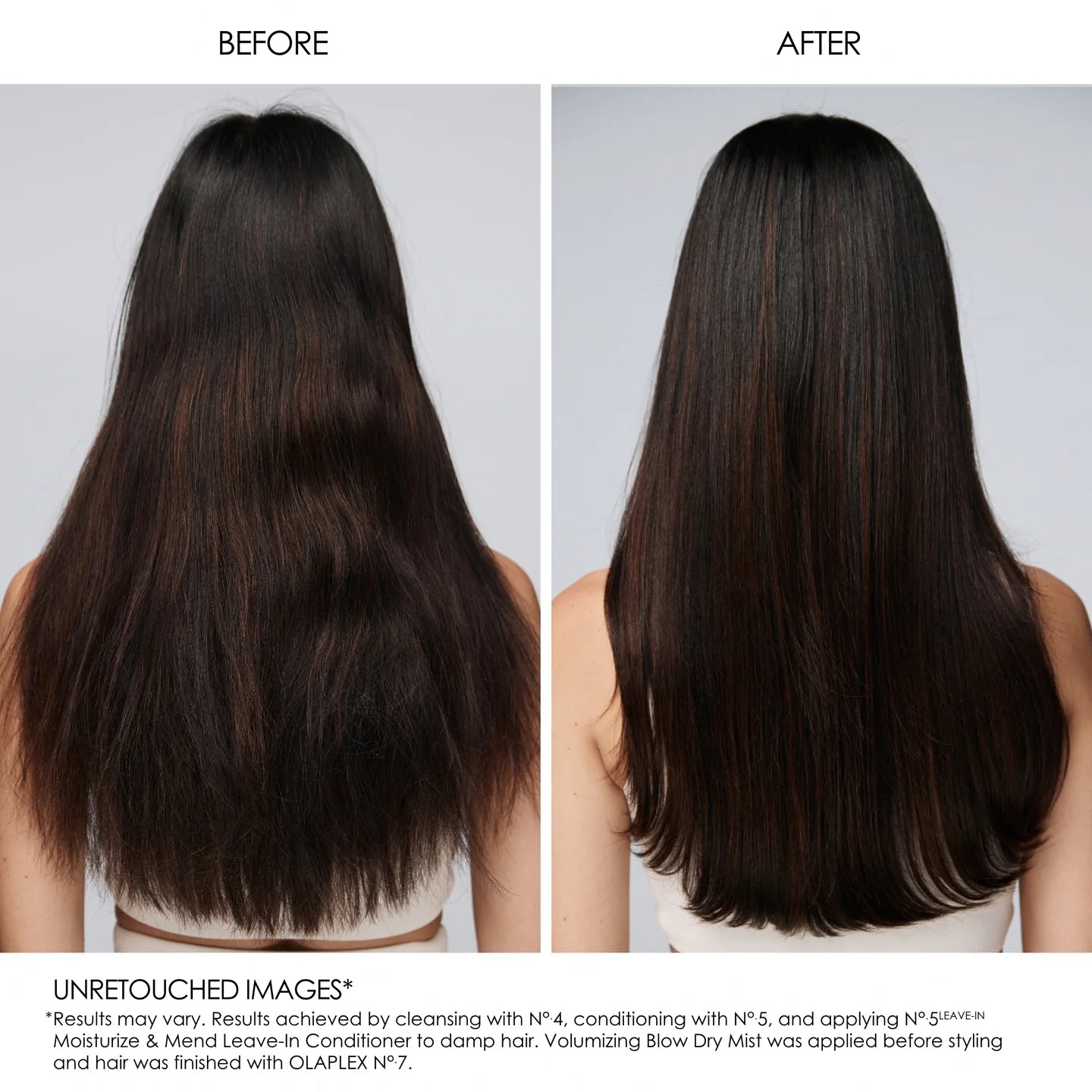
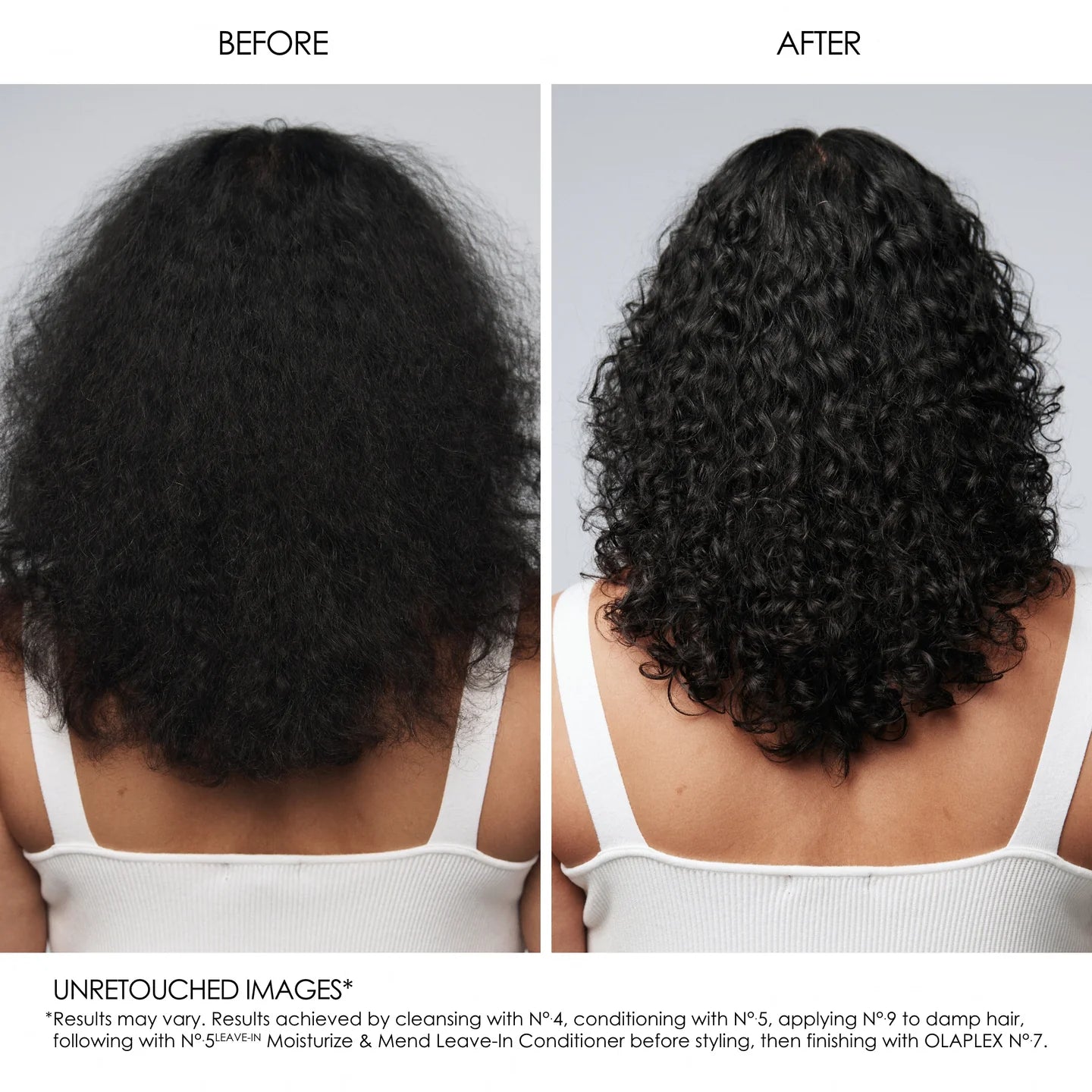
- Protect fragile lengths. Use conditioner, gentle detangling and heat protection, and avoid bleach overlap and tight styles.
- Correct proven deficiencies. Use supplements only when appropriate for your actual diet or clinical findings.
Helpful HairCare Cyprus Guides
- Hair thinning, shedding or breakage: what to do
- Why hair grows at the roots but gets shorter
- Postpartum hair-loss timeline and gentle care
Frequently Asked Questions
How long does collagen take to work for hair?
There is no reliable universal timeline because collagen is not an established treatment for hair loss. Be cautious of guaranteed six-, twelve- or sixteen-week hair-regrowth promises.
Can collagen make hair thicker?
There is insufficient evidence to promise increased density. Hair diameter and density are influenced by genetics, follicle health, age and the cause of any thinning.
Does collagen help postpartum shedding?
Normal postpartum shedding often improves as the hair cycle settles. Collagen should not replace medical advice, particularly when breastfeeding or when loss is heavy, patchy or prolonged.
Can collagen repair split ends?
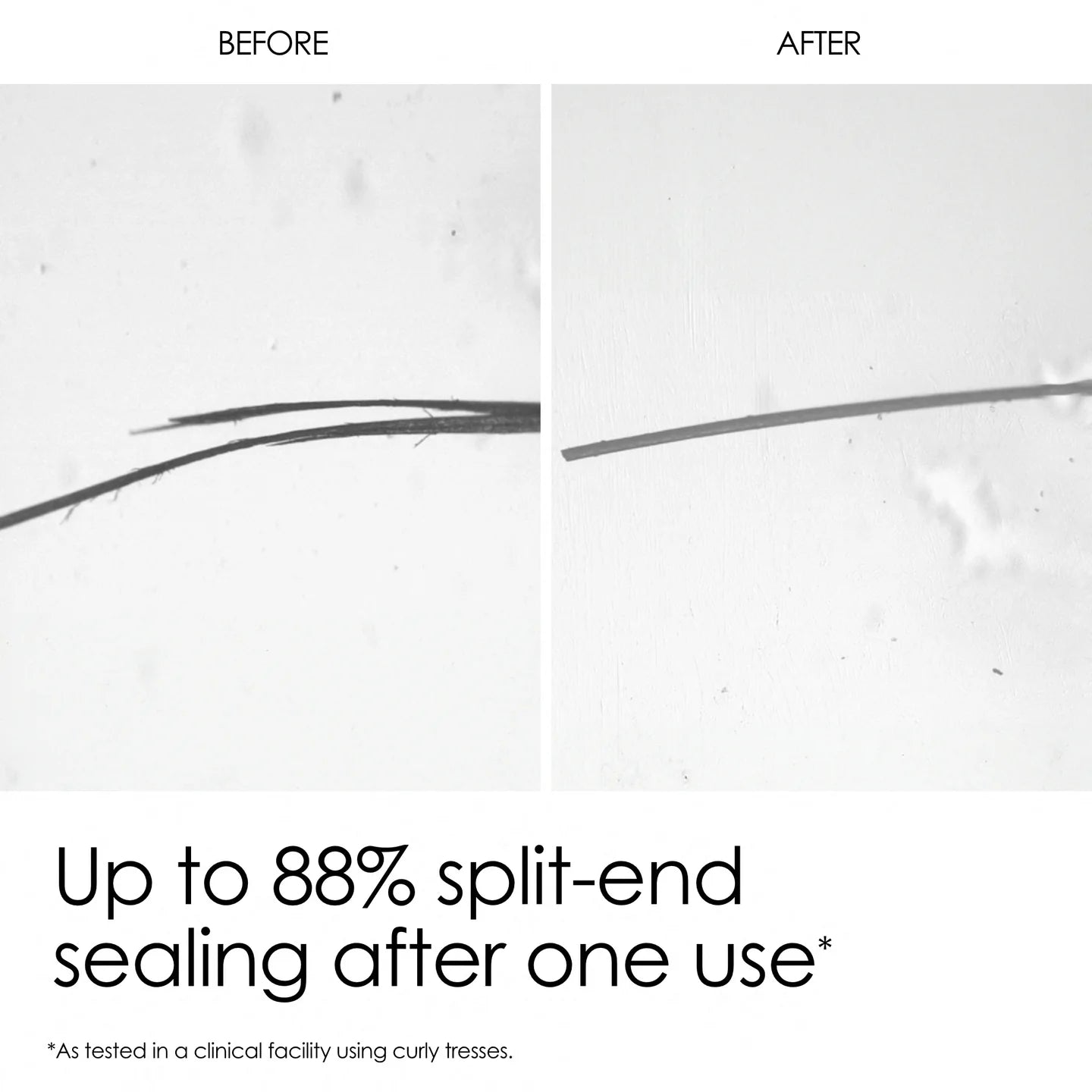
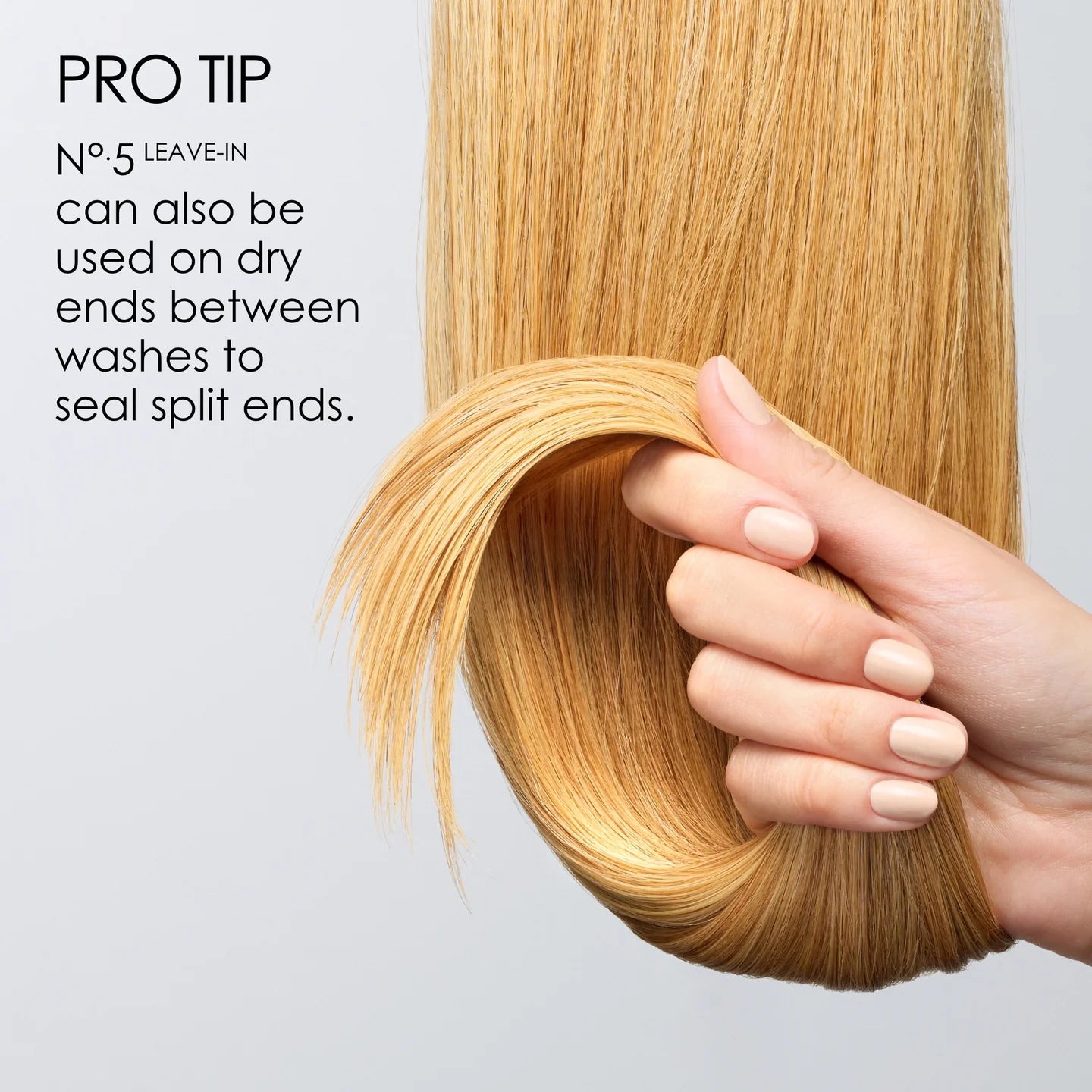
No oral supplement reattaches split or broken hair. Conditioning products can improve appearance and reduce friction, while badly split ends may need trimming.
Need Help Deciding Where to Start?
HairCare Cyprus can help you improve the cosmetic side of your routine and reduce avoidable breakage. Message Georgina on WhatsApp at +357 99 859357.
For diagnosis or treatment of hair loss, consult a doctor or dermatologist.
About the author: Georgina Kyriacou is a professional hairdresser and founder of HairCare Cyprus. Her guidance focuses on cosmetic scalp care, protecting fragile hair and helping clients use products realistically.