
Hard Water Hair in Cyprus: Signs, Fixes & the Best Clarifying Shampoos
Share
By Georgina, HairCare Cyprus — former Paul Mitchell & Moroccanoil educator
If your hair feels dry, dull or "crunchy" no matter what you put on it, your shower water is very likely part of the problem. Cyprus tap water averages around 341 mg/L of calcium carbonate, which is classed as very hard. Those minerals — mainly calcium, plus metals like copper and iron — cling to the hair every time you wash, leaving a film that blocks moisture, dulls shine and fades colour. The fix is simple: swap your regular shampoo for a clarifying or chelating shampoo once a week, then follow with a good mask. Below we explain how to tell if hard water is affecting you, and exactly which professional shampoos we recommend for your hair type.
Is the water in Cyprus really that hard?
Yes. Hardness is measured by the amount of dissolved calcium and magnesium, and anything above about 180 mg/L is considered very hard. At roughly 341 mg/L on average, Cyprus sits well above that. You've already seen the evidence — the white marks on your taps, shower screen and kettle. That same limescale builds up on your hair.
Hard water is perfectly safe to drink. The problem is purely cosmetic: minerals coat the hair shaft, stop conditioners and treatments from absorbing properly, and react with colour and bleach.
After running a salon in Paphos for 15 years, Angela and I saw it every single day — beautiful colour turning brassy within weeks, blondes going stiff and straw-like, and clients convinced their expensive products "just don't work". Very often, the products were fine. The water was the problem.
6 signs hard water is affecting your hair
- Hair feels rough, stiff or "waxy" even straight after washing
- Shampoo doesn't lather well and leaves a film
- Colour fades or turns brassy (blondes go yellow, brunettes go orange) faster than it should
- Hair looks dull and flat, with no shine
- Ends feel dry and snap more easily
- Masks and leave-ins seem to stop working
If you tick three or more, a weekly clarifying wash will make a visible difference.
Clarifying, chelating or detox — what's the difference?
| Type | What it removes | Best for |
|---|---|---|
| Clarifying | Product buildup, oil, silicones, some minerals | Oily scalp, heavy product users |
| Chelating | Binds to and lifts minerals and metals (calcium, copper, iron) | Hard water, swimmers, blondes |
| Detox / decalcifying | Minerals and metals, often with repair ingredients | Coloured, bleached or damaged hair |
Most modern professional formulas blend these actions. The key difference from an old-school "stripping" clarifier is that these are colour-safe and won't leave your hair feeling like straw.
The best shampoos for hard water hair (by hair type)
For bleached, blonde or badly damaged hair: Kérastase Première
Kérastase discovered that calcium from hard water is a hidden reason damage keeps coming back. The Première range uses citric acid to remove calcium deposits and glycine, an amino acid, to repair the hair from the inside once the calcium is gone.
For best results Kérastase recommends a three-step routine: apply the Première Concentré Décalcifiant pre-shampoo treatment to unwashed hair, don't rinse, layer the Première Bain Décalcifiant Réparateur shampoo straight on top, rinse, then finish with the Première Fondant conditioner. The shampoo is gentle enough to use daily.
Our tip: this is the one we reach for when a client's hair feels "rubbery" after bleach. See the full Kérastase for Damaged Hair & Hard Water collection.
For blondes who want to fight brassiness too: Davines Heart of Glass
The Davines HEART OF GLASS Silkening Chelating Shampoo is made for natural and treated blondes. It removes buildup and hard water residue while helping balance unwanted tones — so your blonde stays bright between toners. Vegan and silicone-free.
For coloured hair and balayage: L'Oréal Professionnel Metal Detox
Copper from water pipes builds up inside the hair, causing breakage and unpredictable colour results. L'Oréal's patented Glicoamine technology neutralises excess copper. Use the Metal Detox Anti-Metal Cleansing Cream Shampoo once a week, alternating with your usual shampoo, then follow with the Metal Detox Protecting Mask.
Our tip: use it the week before your colour appointment — your colourist will thank you.
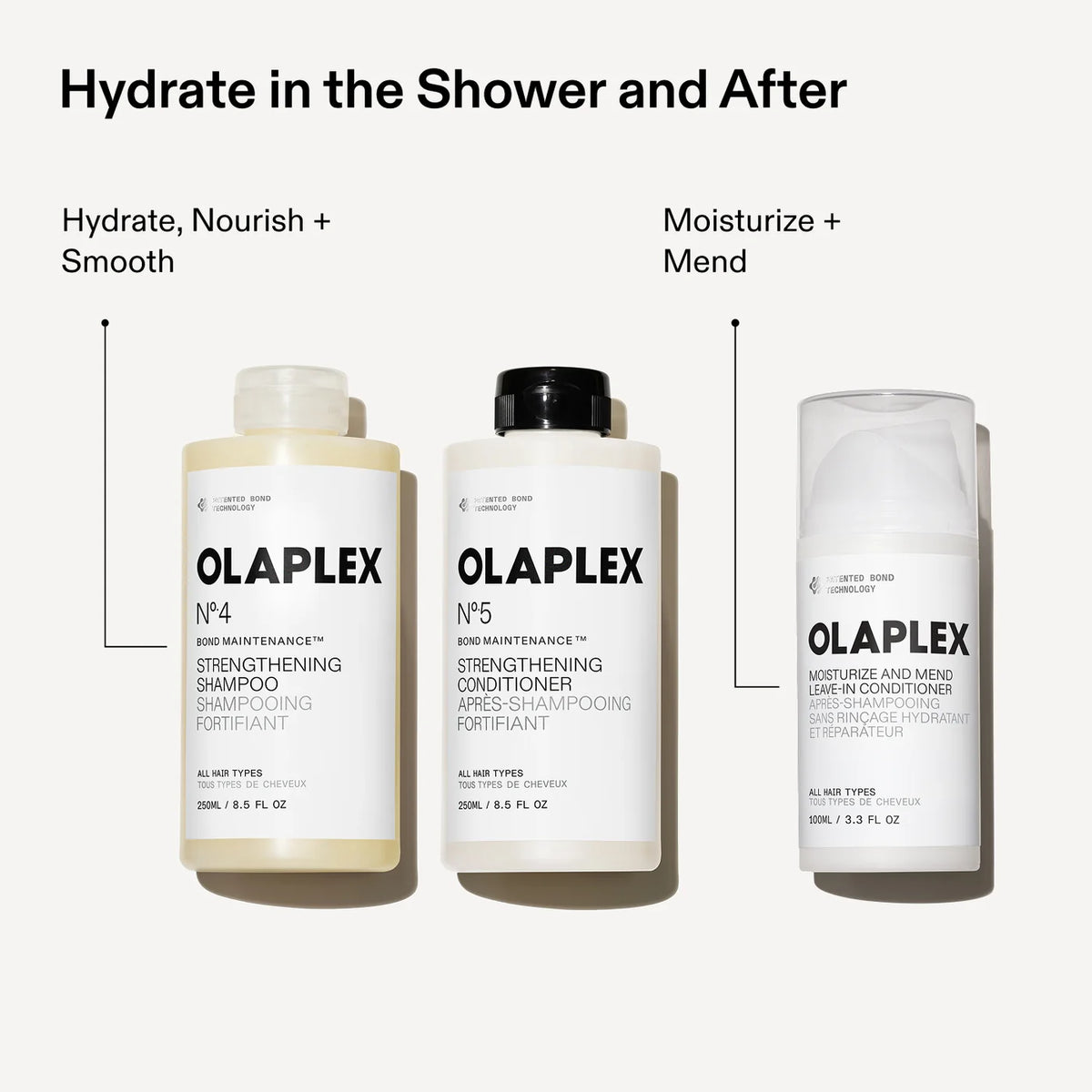
For anyone using bond repair: OLAPLEX Nº.4C
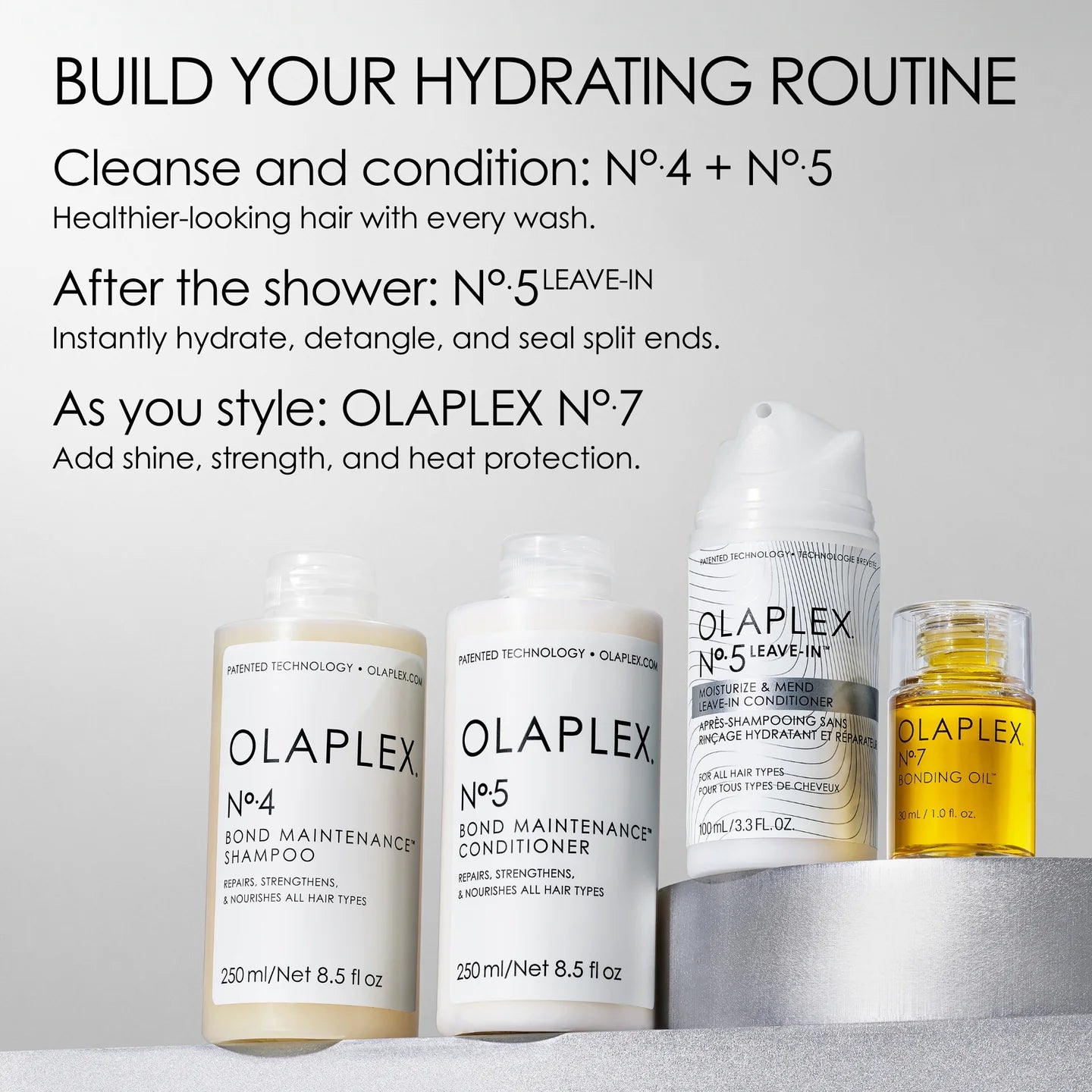
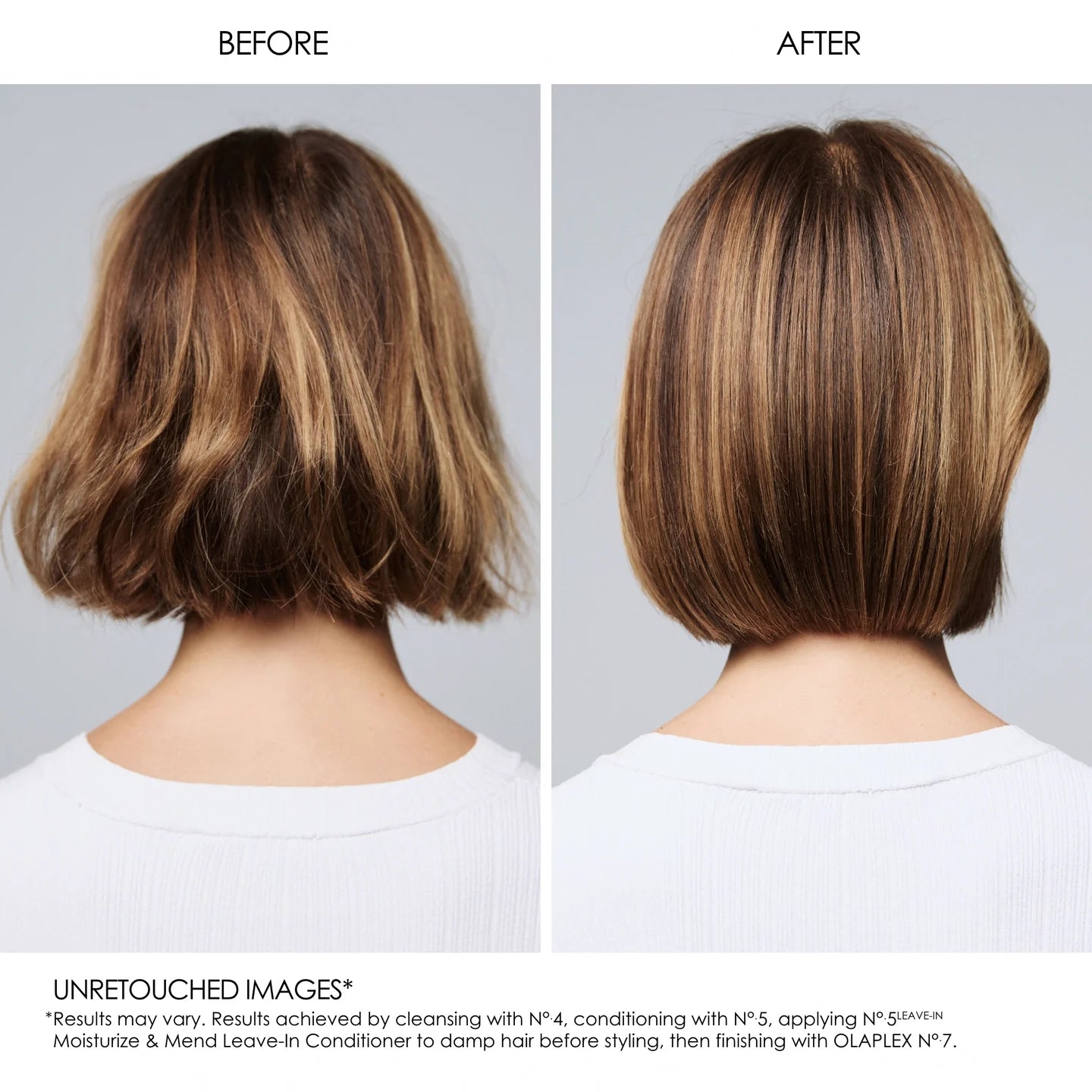
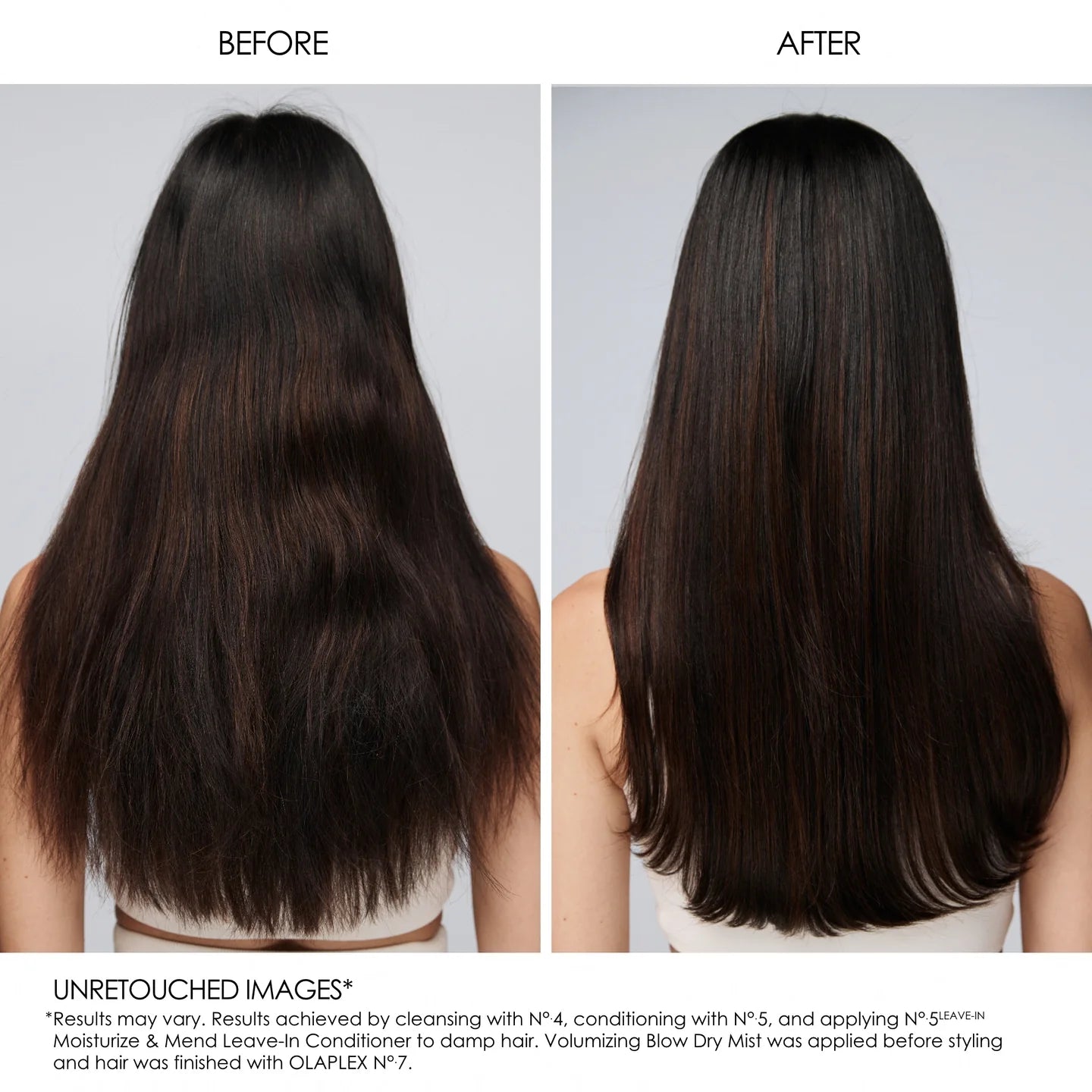
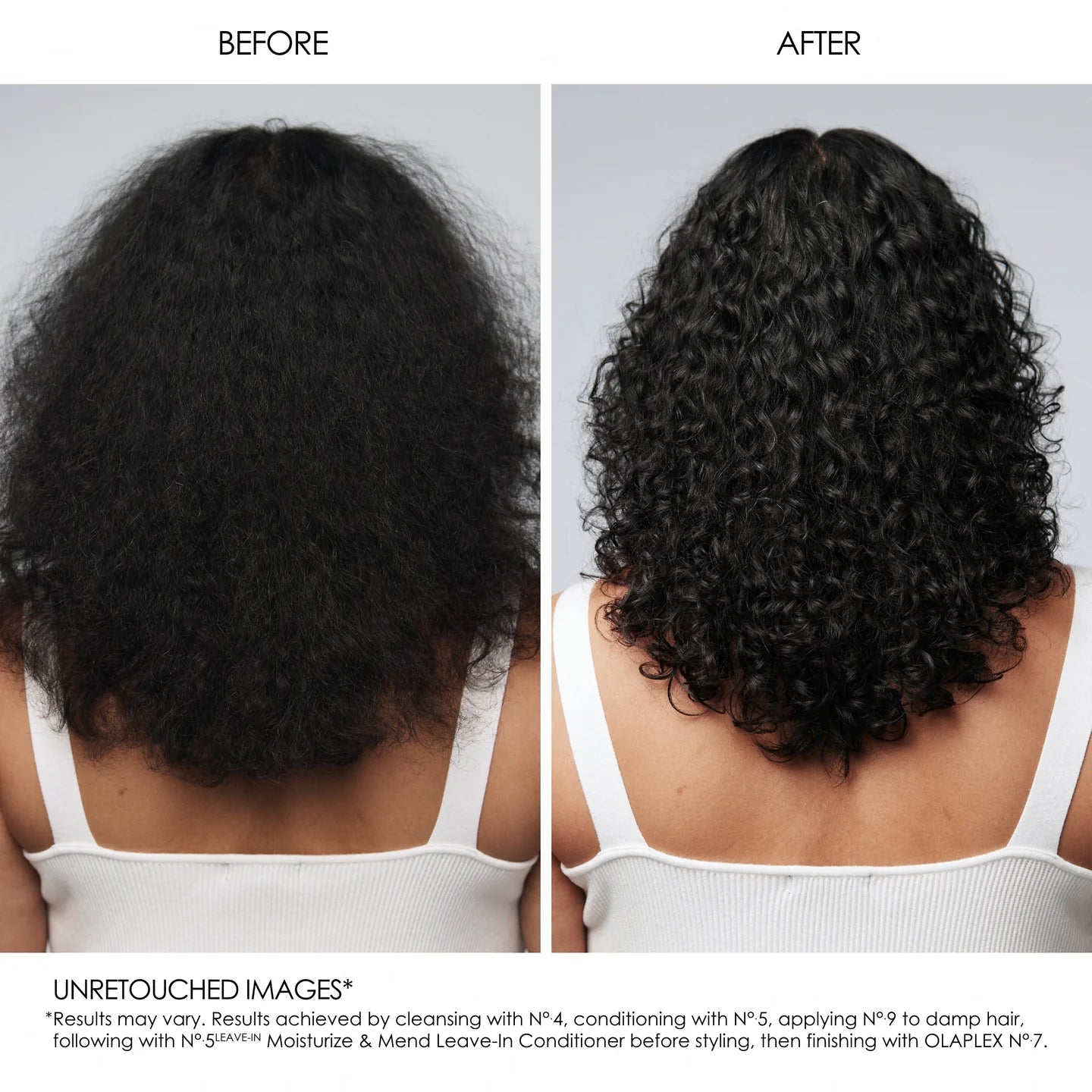
OLAPLEX Nº.4C Bond Maintenance Clarifying Shampoo removes hard water minerals, chlorine, excess oil and product buildup after one use, while OLAPLEX bond-building technology keeps hair strong. It's sulphate-free and pH balanced. Olaplex recommends using it every 1–2 weeks, and before a No.0 + No.3 treatment so the bond builder can work better.
For everyday buildup and all hair types: Moroccanoil Clarifying Shampoo
Moroccanoil Clarifying Shampoo is colour-safe and sulphate-free, with argan and avocado oils, keratin and lavender, chamomile and jojoba extracts so it cleans without stripping. Moroccanoil says it removes 52% of metals such as calcium and hard water mineral deposits. Use it every two weeks — or once or twice a week if you have hard water, swim regularly or use lots of styling products. Massage well, keep adding a little water, and rinse until the water runs clear.
For swimmers and "green" blondes: Paul Mitchell Shampoo Three
Pool days, sea swims and hard water at home are a classic Cyprus combination. Paul Mitchell Shampoo Three is a clarifying shampoo designed to remove chlorine, iron and hard water minerals — the culprits behind that greenish tint on blonde and light hair — and to wash away dulling buildup. Follow with your favourite Paul Mitchell conditioner.
Our tip: keep a bottle in your swim bag all summer, and use it once a week the rest of the year.
For a weekly "reset": K18 Peptide Prep Detox Shampoo
K18 Peptide Prep Detox Shampoo targets metals found in tap and hard water — including nickel, zinc and iron — and K18 reports it removes 99% of product buildup, 95% of sebum and 76% of copper after just one wash. It's colour-safe with a pH of 3.8–4.2. Swap it in for your normal shampoo once a week; it's also the perfect prep before the K18 leave-in mask.
For oily scalps and heavy product users
- ELEVEN Australia Deep Clean Clarifying Shampoo — our best-seller in this category. A deep cleanse with orange oil that removes oil and product buildup but leaves the scalp feeling hydrated. Vegan and colour-safe.
- Paul Mitchell Shampoo Two — a lemony, colour-safe clarifier for removing dulling buildup, excellent for oily hair and before a deep conditioning treatment. (Its sister, Shampoo Three, is the one to choose for minerals and chlorine.)
These two are designed mainly for oil and product buildup rather than minerals, so if your main issue is hard water, pair them with one of the chelating options above.
Bonus step: once a week, the Moroccanoil Purifying Pre-Wash Scalp Scrub before shampooing helps lift buildup from the scalp itself. Read more in our Scalp Wash & Detox Guide.
Shop the full Deep Clean & Hard Water collection →
Quick guide: which one should I choose?
| Your hair | Our pick | How often |
|---|---|---|
| Bleached, damaged, "rubbery" | Kérastase Première routine | Daily or every wash |
| Natural or highlighted blonde | Davines Heart of Glass | 1–2× a week |
| Coloured / balayage | L'Oréal Metal Detox | Once a week |
| Using Olaplex at home | OLAPLEX Nº.4C | Every 1–2 weeks |
| Normal hair, lots of styling | Moroccanoil Clarifying | 1–2× a week |
| Swimmer, or blonde turning green | Paul Mitchell Shampoo Three | Once a week, or after swimming |
| Want one weekly reset | K18 Detox | Once a week |
| Oily scalp, lots of product | ELEVEN Deep Clean or Paul Mitchell Shampoo Two | 1–2× a week |
Your hard-water wash routine, step by step
- Once a week, swap your normal shampoo for your chosen clarifying or chelating shampoo.
- Focus on the scalp and roots, massage for a full minute, and let the lather work through the lengths as you rinse.
- Rinse thoroughly — leftover product is the enemy here.
- Always follow with a mask, not just conditioner. Clarifying opens the door; the mask puts moisture back in.
- Finish with a cool rinse to close the cuticle and boost shine.
- Go back to your usual shampoo for the rest of the week.
Hard water hair: your questions answered
Can I use a clarifying shampoo every day?
Most are designed for once a week or once every two weeks. The exception in our range is Kérastase Première Bain Décalcifiant, which is gentle enough for daily use.
Will clarifying shampoo strip my colour?
All the shampoos in this guide are described by their brands as colour-safe. In fact, removing minerals usually helps colour look brighter and last longer.
Does hard water cause hair loss?
Hard water mainly causes dryness, dullness and breakage — and snapped hair can look like thinning. If you're noticing more hair on your brush or in the shower, that's worth looking at separately; see our hair loss guides or speak to a trichologist or doctor.
Will a shower filter fix it?
It can help, but many shower filters mainly target chlorine rather than calcium. A weekly chelating shampoo is still the most reliable way to remove buildup that's already on your hair.
I'm moving to (or on holiday in) Cyprus — will my hair change?
Very often, yes. Many of our customers notice their hair feels different within a few weeks of arriving. Starting a weekly clarifying wash straight away prevents the buildup.
Do I still need conditioner?
Absolutely. Always follow a clarifying wash with a mask or rich conditioner.
Still not sure which one is right for you?
Take our hair quiz for a personalised routine, or browse the Deep Clean & Hard Water collection. New to HairCare Cyprus? Use code MYFIRSTORDER19 for 10% off your first order.
With love,
Georgina & Angela
HairCare Cyprus, Paphos
About the author: Georgina is a former educator and technician for Paul Mitchell and Moroccanoil. Together with her mother Angela, she ran a Paphos hair salon for 15 years before founding HairCare Cyprus, the island's professional haircare store.